
Nasa to launch advanced space telescope, potentially surpassing JWST
Launch has been presently scheduled for no earlier than February 27 aboard SpaceX Falcon 9 rocket

An eggshell white, conical probe named SPHEREx, which stands for Spectro-Photometer for the History of the Universe, Epoch of Reionisation and Ices Explorer will enter Nasa's space telescope epic in February if everything goes as per the plan.
"Taking a snapshot with JWST is like taking a picture of a person," Shawn Domagal-Goldman, who is the acting director of the Astrophysics Division at Nasa Headquarters, told reporters earlier, reported Space.com.
He said: "What SPHEREx and other survey missions can do is almost like going into panorama mode, when you want to catch a big group of people and the things standing behind or around them."
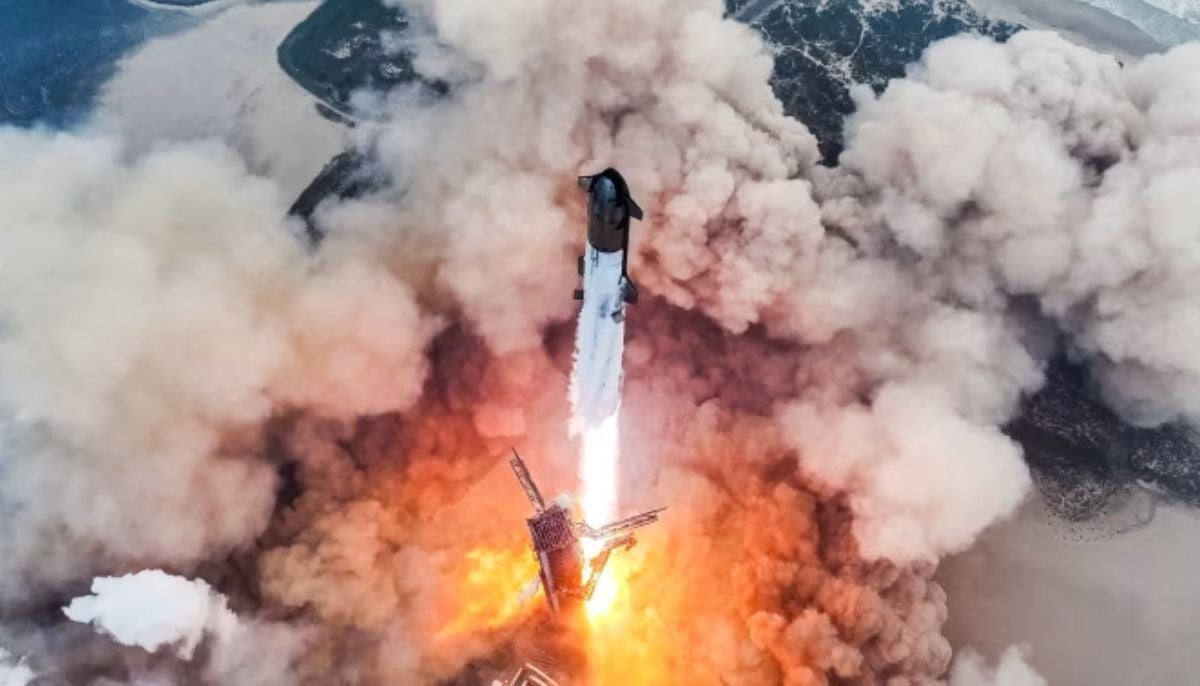
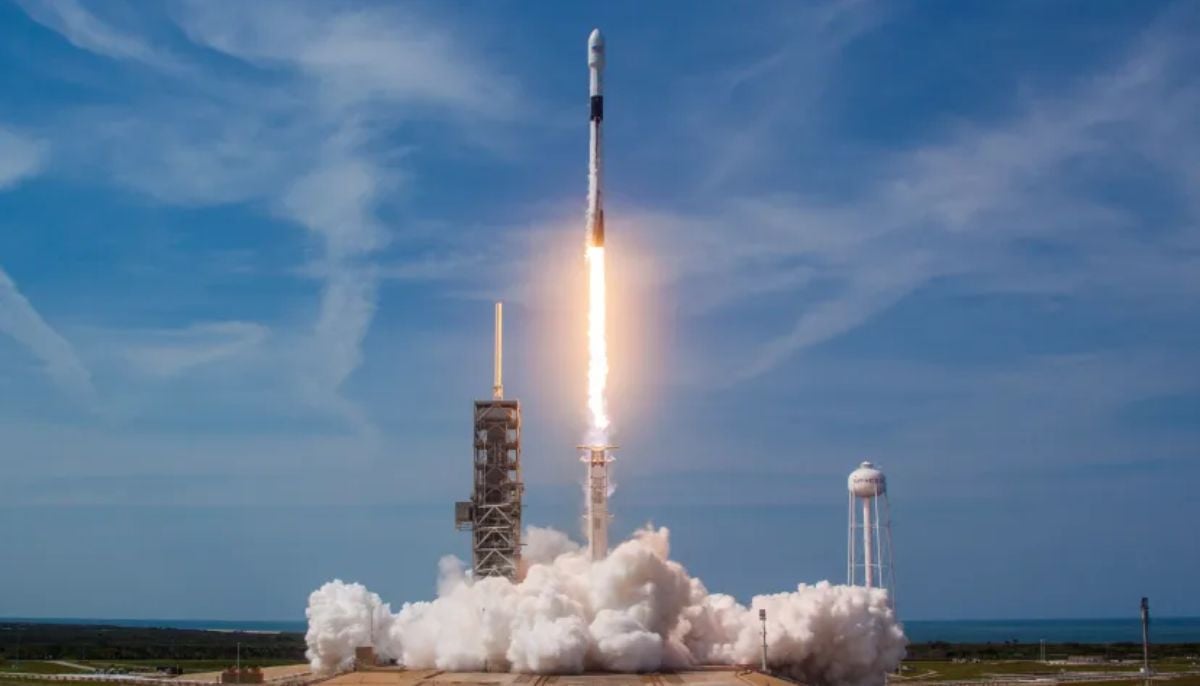
Aboard a SpaceX Falcon 9 rocket, launch is presently scheduled for no earlier than February 27. Moreover, SPHEREx won't be the only payload.
SPHEREx will share its ride with the agency's PUNCH (Polarimeter to Unify the Corona and Heliosphere) mission, a constellation of four little satellites meant to study the Sun, as part of Nasa’s Launch Services Programme, which connects space missions with appropriate commercial launch vehicles.
At Vandenberg Space Force Base in Central California, the duo will lift off from Launch Complex 4E.
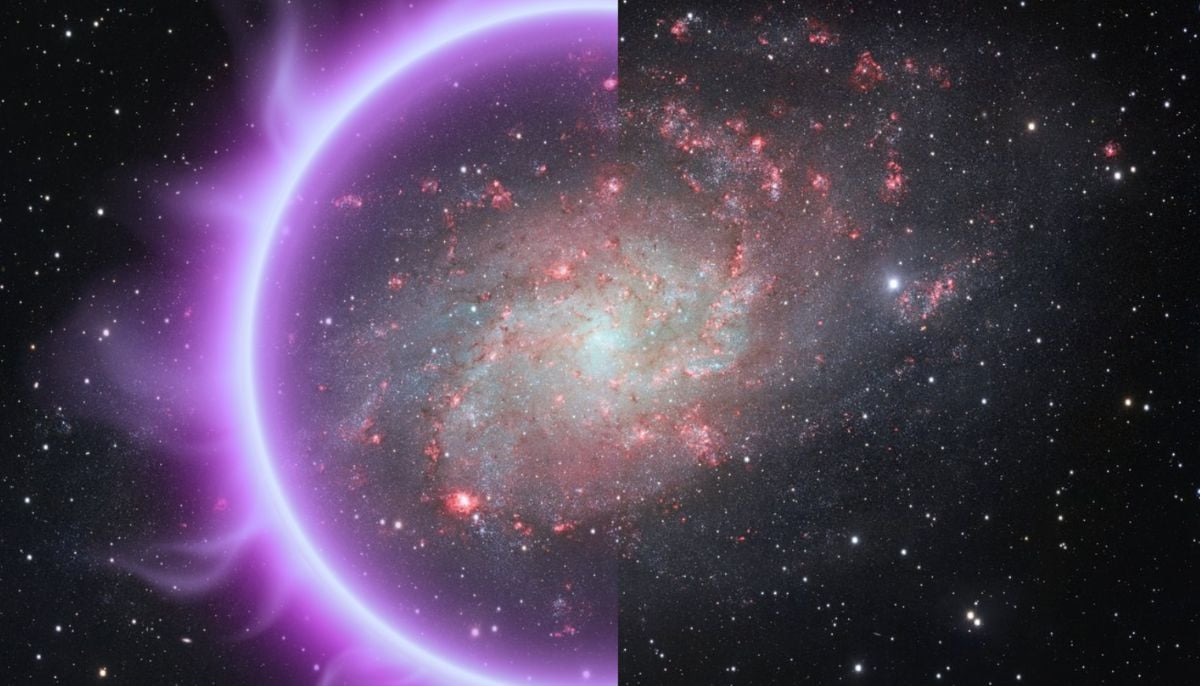
SPHEREx will map the universe while detecting two kinds of cosmic light: optical and infrared over two years unless Nasa decides to extend the mission.


-
 Shanghai Fusion ‘Artificial Sun’ achieves groundbreaking results with plasma control record
 -
 Polar vortex ‘exceptional’ disruption: Rare shift signals extreme February winter
 -
 Netherlands repatriates 3500-year-old Egyptian sculpture looted during Arab Spring
 -
 Archaeologists recreate 3,500-year-old Egyptian perfumes for modern museums
 -
 Smartphones in orbit? NASA’s Crew-12 and Artemis II missions to use latest mobile tech
 -
 Rare deep-sea discovery: ‘School bus-size’ phantom jellyfish spotted in Argentina
 -
 NASA eyes March moon mission launch following test run setbacks
 -
 February offers 8 must-see sky events including rare eclipse and planet parade