
Scientists in Australia discover bigger species of deadly funnel web spiders
New funnel-web species has gotten nickname "Big Boy", been first discovered in early 2000s
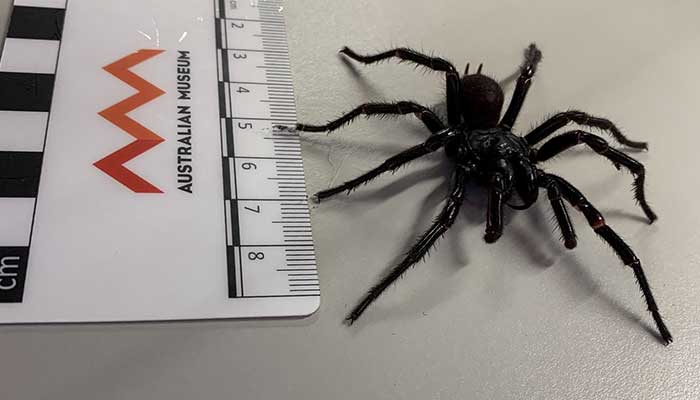
Scientists in Australia have discovered a bigger, more venomous species of the Sydney funnel-web spider, one of the world's deadliest.
The new funnel-web species has gotten the nickname "Big Boy" and was first discovered in the early 2000s near Newcastle, 170km (105 miles) north of Sydney, by Kane Christensen, a spider enthusiast and former head of spiders at the Australian Reptile Park.
"This particular spider is a lot larger, its venom glands are a lot larger and its fangs are a lot longer," he said.
In research released on Monday, scientists from the Australian Museum, Flinders University and Germany's Leibniz Institute said the "Big Boy" would be classified as a separate species of funnel-web spider.
Scientists have named the 9-centimetre (3.54 inches) long species as Atrax christenseni, after Christensen's contributions to the research. The more common Sydney funnel-webs can grow up to 5cm.
The nocturnal black arachnids are usually spotted within around 150km (93 miles) of Sydney, Australia's largest city, and are mostly active between November and April.
Only the male Sydney funnel-web, which carries a much stronger venom, is responsible for human deaths. A total of 13 deaths have been recorded though no human fatalities have occurred since the development of antivenom in the 1980s, according to the Australian Museum.
The same antivenom is effective in treating bites from "Big Boy", scientists said.
"Sometimes you might find them in a garage or in a bedroom or somewhere in the house where they might have wandered in during the night," Christensen said of the new species.
"I would not recommend touching them that's for sure, they do give copious amounts of venom."



-
 Sun appears spotless for first time in four years, scientists report
 -
 SpaceX launches another batch of satellites from Cape Canaveral during late-night mission on Saturday
 -
 NASA targets March 6 for launch of crewed mission around moon following successful rocket fueling test
 -
 Greenland ice sheet acts like ‘churning molten rock,’ scientists find
 -
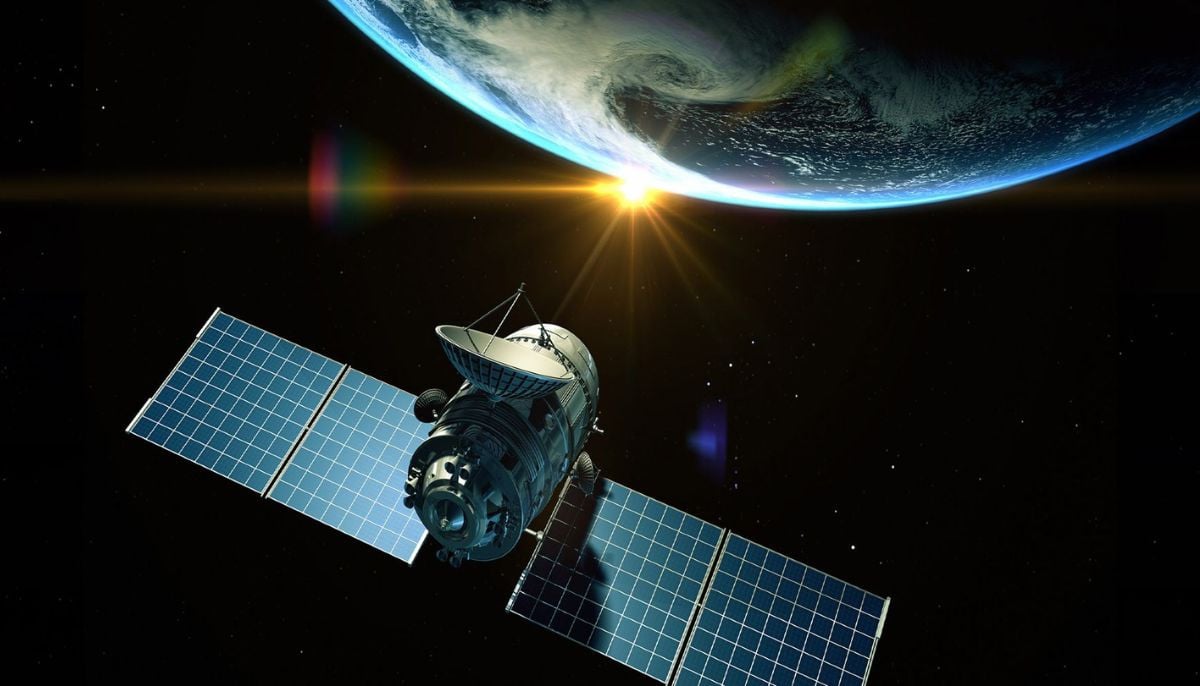 Space-based solar power could push the world beyond net zero: Here’s how
 -
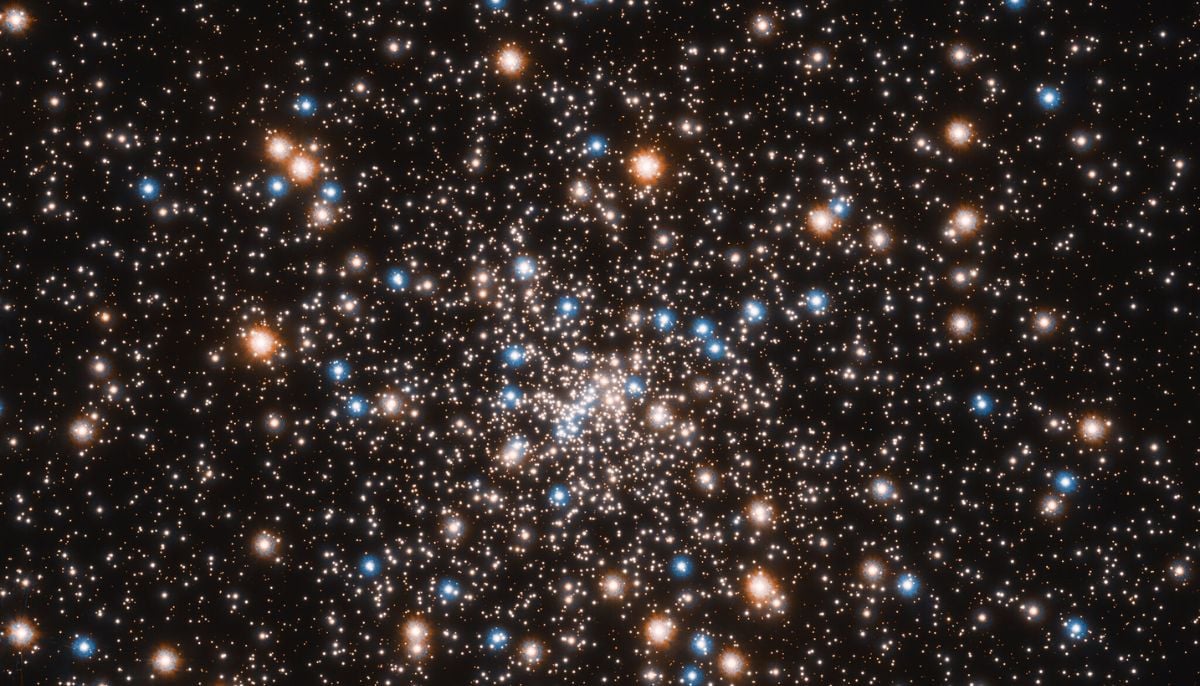 Hidden ‘dark galaxy' traced by ancient star clusters could rewrite the cosmic galaxy count
 -
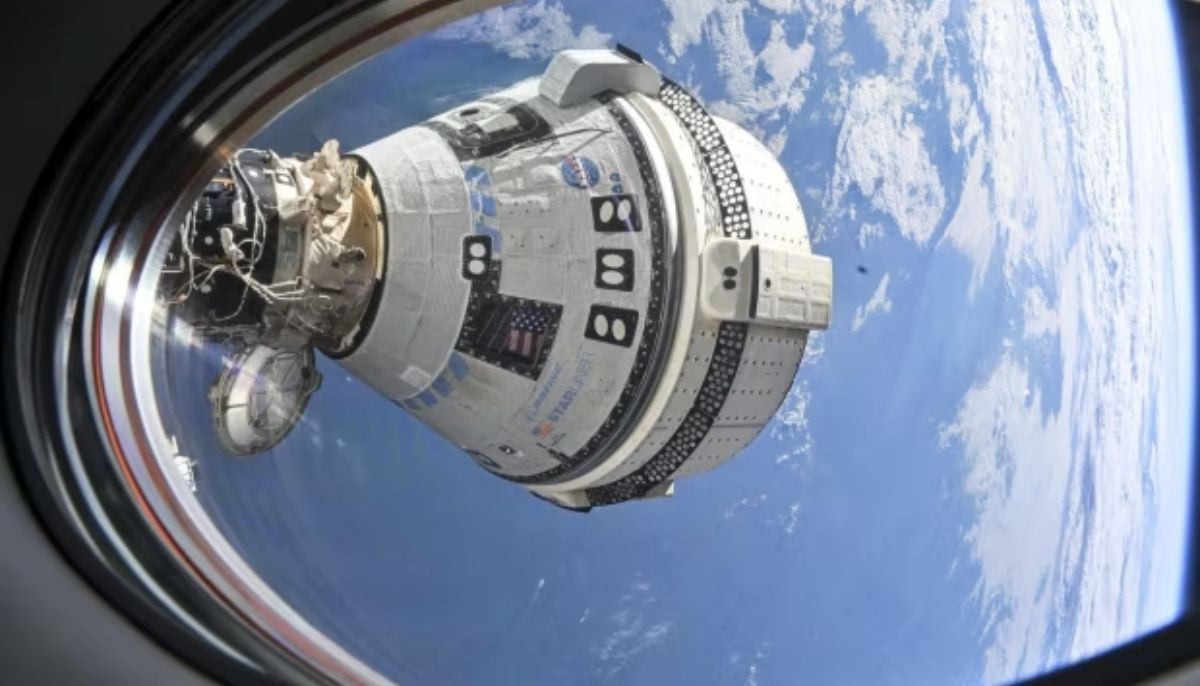 Astronauts face life threatening risk on Boeing Starliner, NASA says
 -
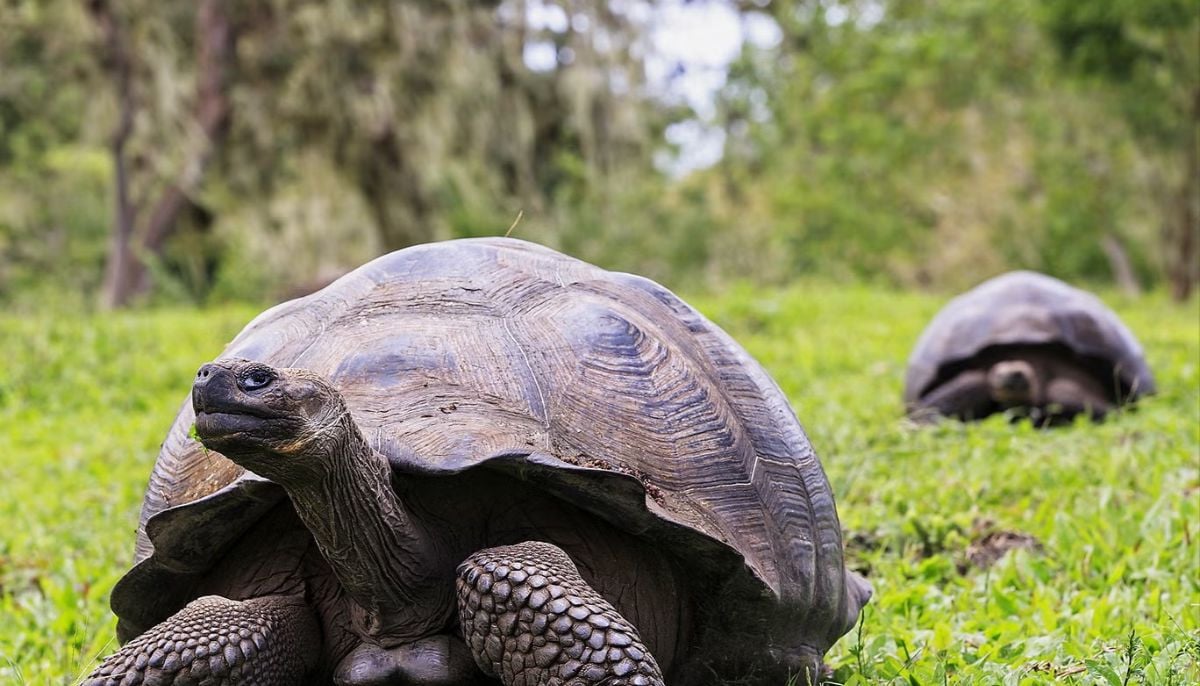 Giant tortoise reintroduced to island after almost 200 years