
WhatsApp introduces new feature for hassle-free contact management
Users of Meta's instant messaging app now get to choose how and where their contacts are stored

WhatsApp has introduced a new privacy feature that offers users enhanced control over contact management across multiple devices, by allowing them to choose whether to store their contacts within the app or sync them with their phone's address book.
This feature, which is easily accessible by navigating to WhatsApp Settings > Privacy > Contacts > WhatsApp Contacts, also enables to add and edit contacts seamlessly across their linked devices, WABetaInfo reported.
The new feature has introduced a new toggle labeled "Sync contact to phone" that appears when users add a new contact. It lets users decide whether to sync a particular contact to their phone or keep it solely within WhatsApp.
If users choose to maintain certain contacts exclusively within WhatsApp, then the chosen contacts will not appear in the phone's general contact list.

Additionally, WhatsApp has also introduced a new storage system called Identity Proof Linked Storage (IPLS), which securely stores contact information and allows users to restore their contacts even if they lose their phone.
This system implements Key Transparency, ensuring that users can verify the authenticity of their contacts and track any changes made to their identity keys.
To enhance security further, WhatsApp has partnered with Cloudflare, which provides independent verification to ensure that contact data is not tampered with.
Moreover, by using cryptographic hashes, WhatsApp protects the phone numbers of contacts who do not have an account on the app, without storing or sharing details on its servers.
It is worth noting that contacts stored in WhatsApp will also be automatically restored when users reinstall the app, change phones, or link a new device.
This feature is rolling out to even more people over the coming days.




-
 Total Lunar eclipse: What you need to know and where to watch
 -
 Sun appears spotless for first time in four years, scientists report
 -
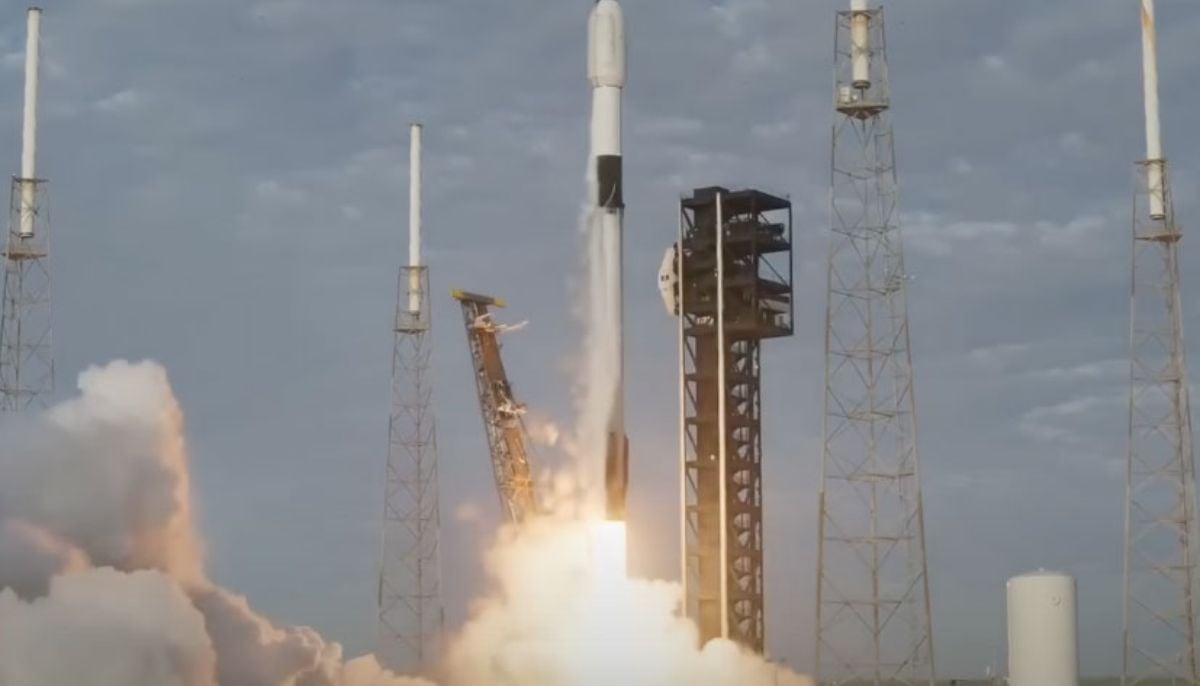 SpaceX launches another batch of satellites from Cape Canaveral during late-night mission on Saturday
 -
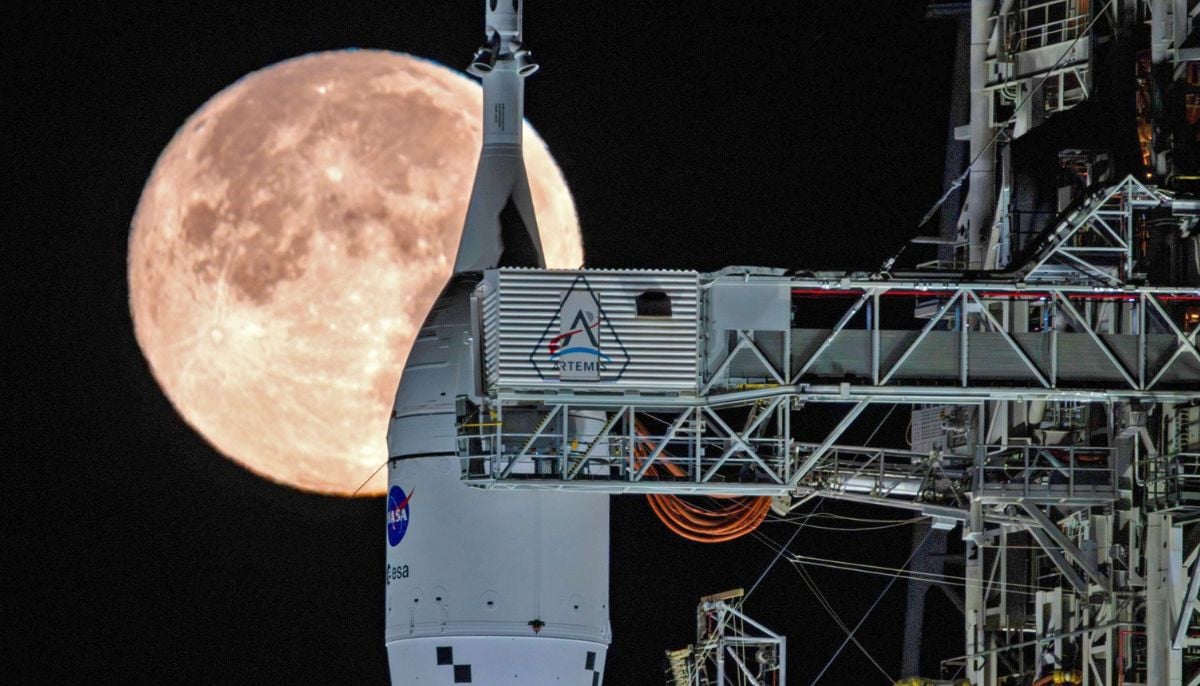 NASA targets March 6 for launch of crewed mission around moon following successful rocket fueling test
 -
 Greenland ice sheet acts like ‘churning molten rock,’ scientists find
 -
 Space-based solar power could push the world beyond net zero: Here’s how
 -
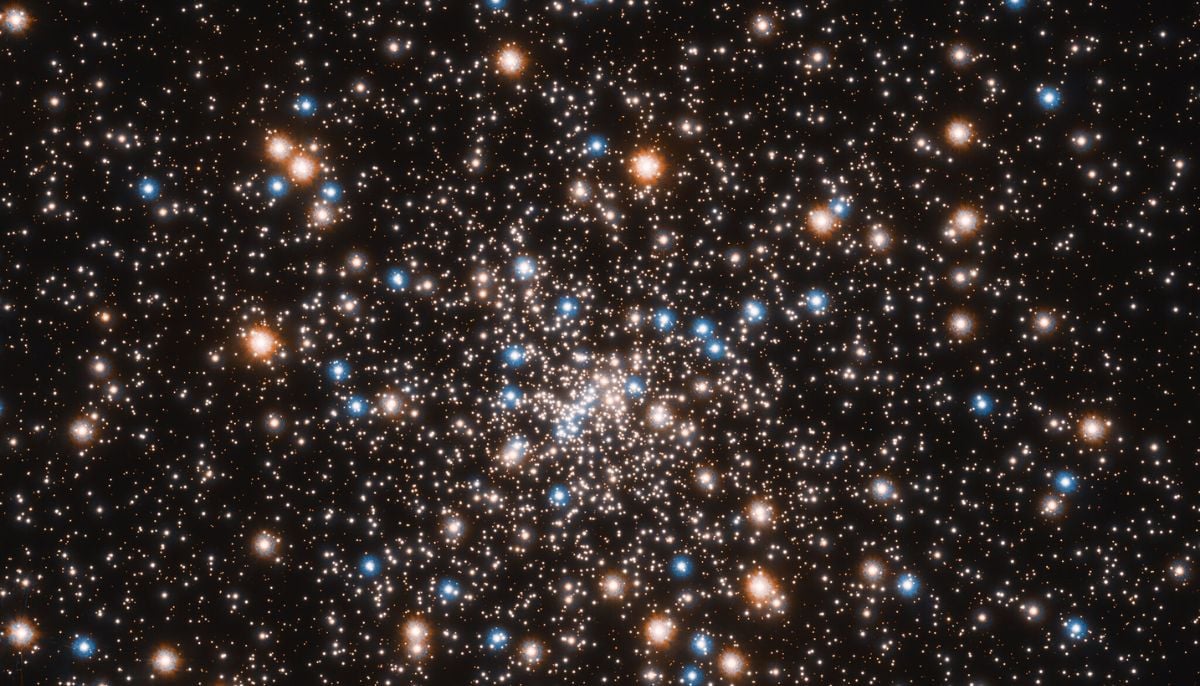 Hidden ‘dark galaxy' traced by ancient star clusters could rewrite the cosmic galaxy count
 -
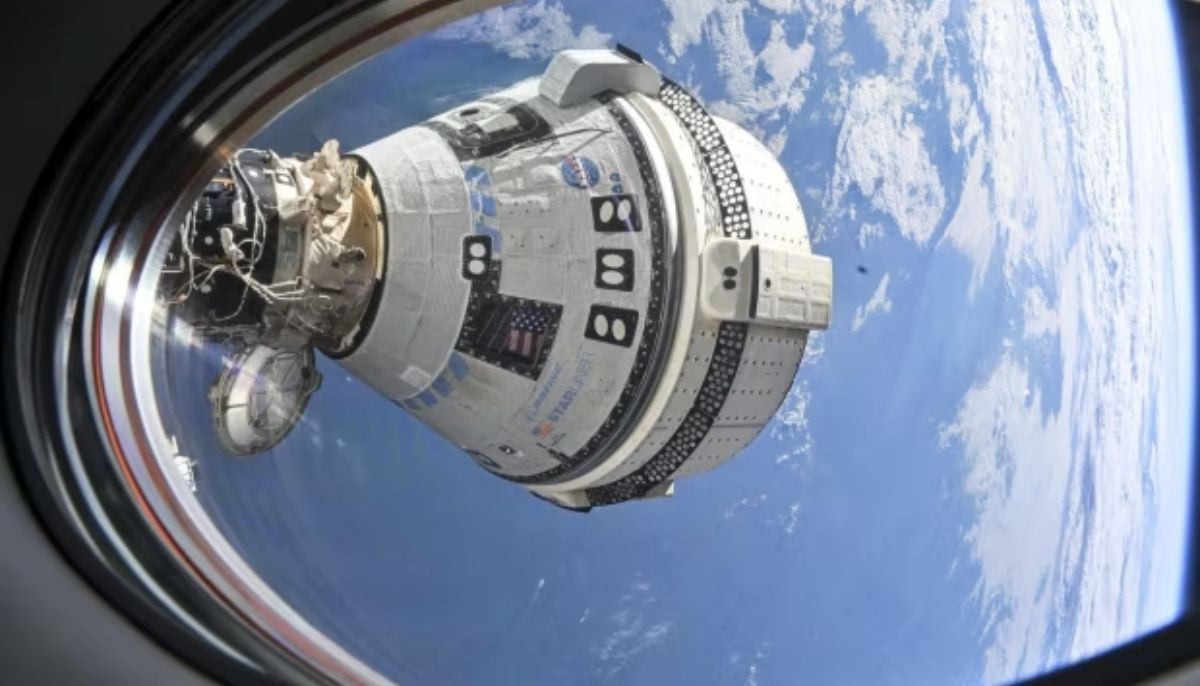 Astronauts face life threatening risk on Boeing Starliner, NASA says