
Google enables passkeys for syncing on multiple platforms
Users will now be required to set a six-digit PIN through new update

American multinational cooperation Google has enabled syncing of passkeys across devices on multiple platforms in order to expand the capabilities of its Password Manager.
Previously, passkeys were only saved to the Password Manager on Android devices. This used to limit the cross-device functionality, reported Microsoft Start.
However, users could still access passkeys on other devices but they were required to scan a QR code to do so.
The new update now permits passkeys to be saved and synced through Google Password Manager on Windows, macOS and Linux platforms, which is in addition to Android.
Moreover, support for ChromeOS is currently in beta testing, and iOS compatibility is anticipated to arrive soon.
As soon as a passkey is saved, it automatically syncs using Google Password Manager across all devices. Providing robust protection against unauthorised access, Google assures users that their passkey data is end-to-end encrypted.
Notably, as compared to traditional passwords, passkeys differ as they are digital credentials designed to permit users to sign in to accounts without requiring a password.
Additionally, since 2023, the company has been integrating passkeys into its software suite.
A new security feature to Google Password Manager has also been introduced by the new update. Through this, when using passkeys on a new device, users will now be required to set a six-digit PIN.





-
 Archaeologists recreate 3,500-year-old Egyptian perfumes for modern museums
 -
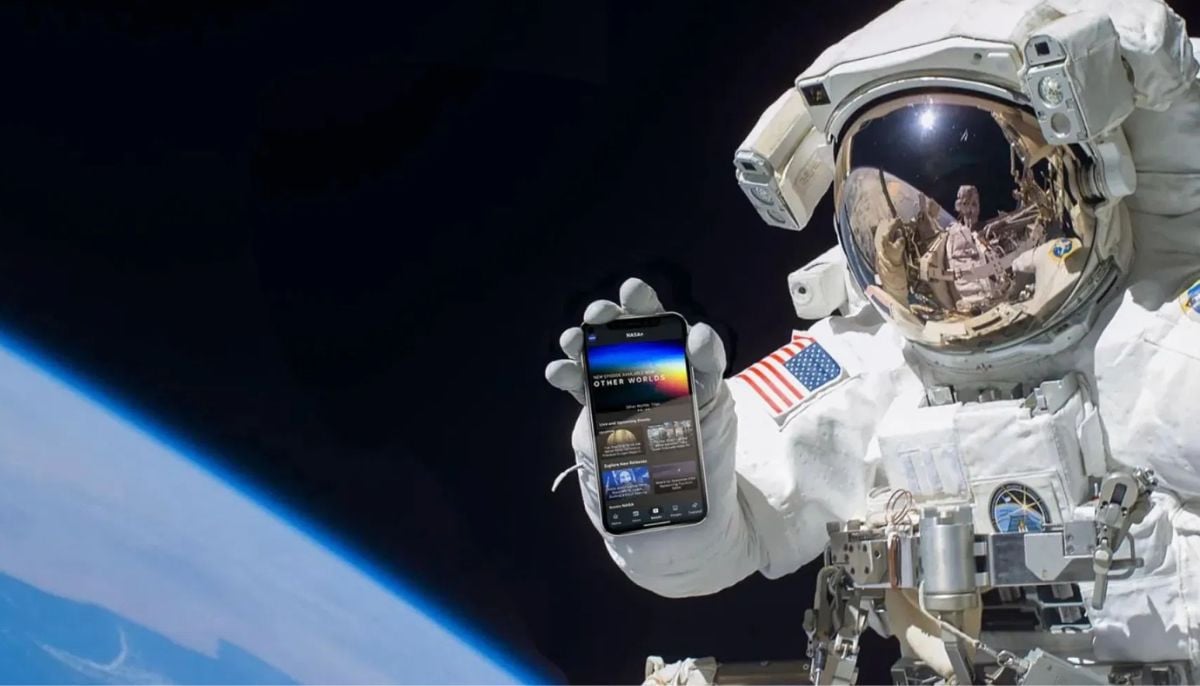 Smartphones in orbit? NASA’s Crew-12 and Artemis II missions to use latest mobile tech
 -
 Rare deep-sea discovery: ‘School bus-size’ phantom jellyfish spotted in Argentina
 -
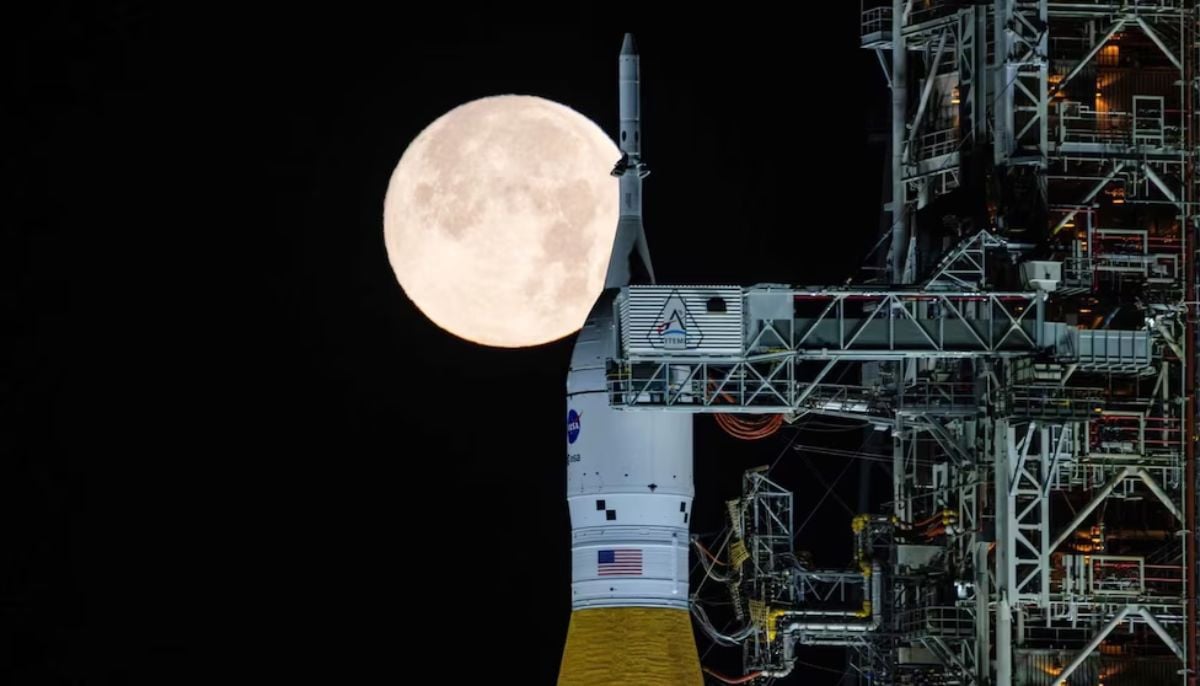 NASA eyes March moon mission launch following test run setbacks
 -
 February offers 8 must-see sky events including rare eclipse and planet parade
 -
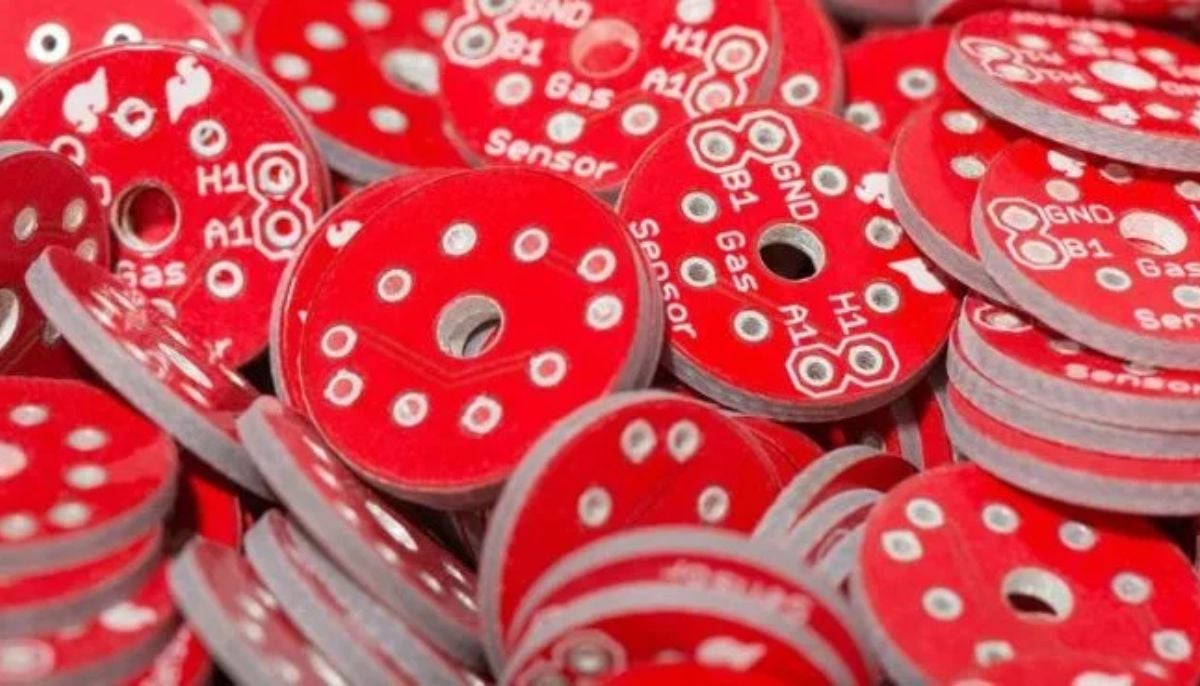 New study reveals biodegradable chip aims to reduce e-waste and air pollution
 -
 Scientists unveil new robotic mission for the moon
 -
 NASA reschedules Artemis II rehearsal due to Florida arctic outbreak