
Instagram makes 'bold' move with latest feature
This version of Instagram allows users to add post videos and text updates to map based on location where they were taken
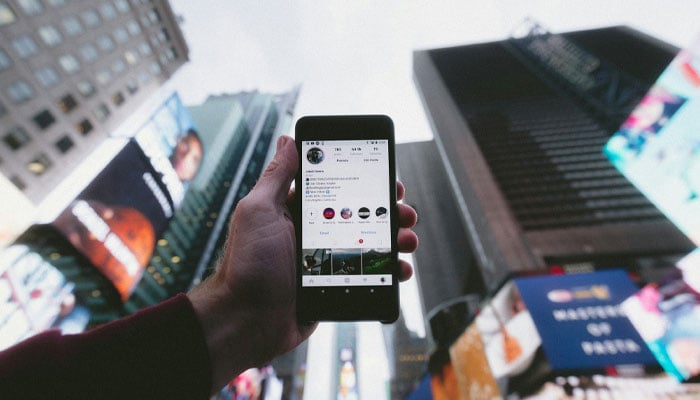
The Zuckerberg-led Instagram is all set to make a bold move by developing a new feature that is similar to Snap Maps. This update is similar to the Snap Maps, which was originally launched in 2017.
Speaking to The Verge, a Meta spokesperson, Christine Pai, mentioned the limited privacy settings that the users may experience with this upgrade.
“Users have to choose a specific group of people to share their location with, such as “Close Friends or only followers they follow back,” Christine Pai told The Verge. Snapchat allows public posts to Snap Maps.
Moreover, with this update of Instagram, users are allowed to post videos and text updates to a map based on the location where they were taken.
Pai added that the version was not available in all the markets as of yet.
“This feature is currently only available as a “small test” in a few markets”, Pai added. “The tool is opt-in and includes controls over location sharing. As always, we are building this feature with safety in mind,” Pai said.
However, the spokesperson didn’t immediately respond to follow-up questions about whether full public sharing would be offered or how long the posts would remain available.
Earlier in February, this feature was developed by but was named “Friend Map,” but images of the feature in action started to emerge publicly this week. The Instagram has yet to reveal where the feature is being tested.


-
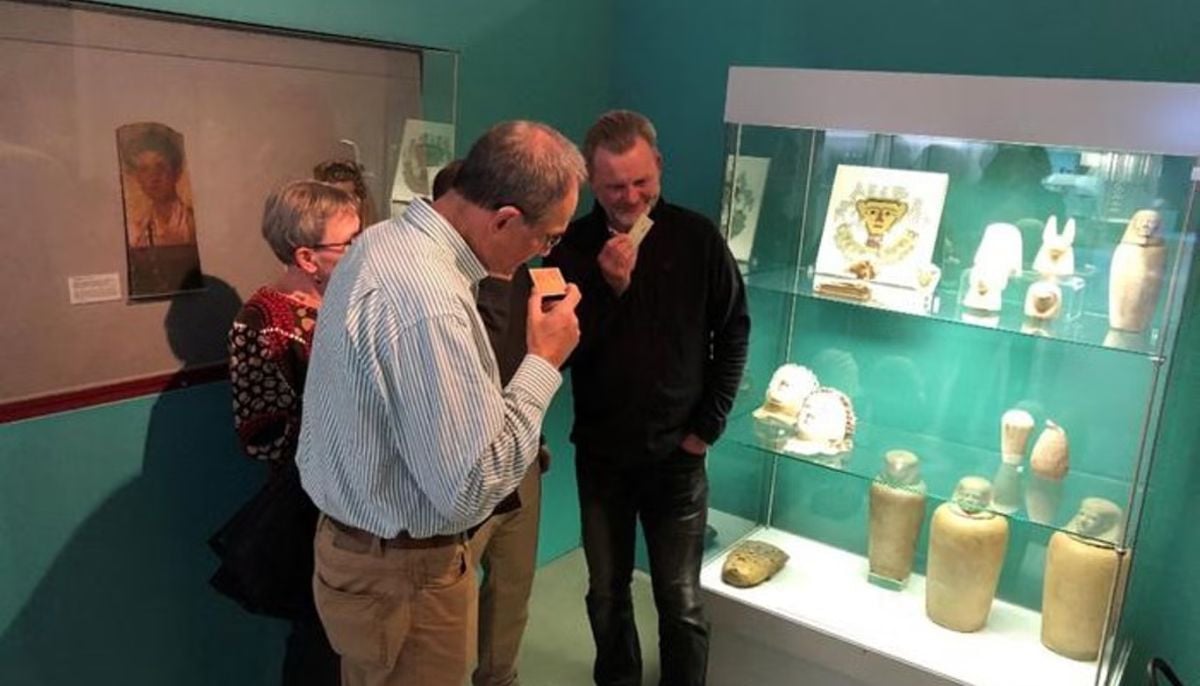 Archaeologists recreate 3,500-year-old Egyptian perfumes for modern museums
 -
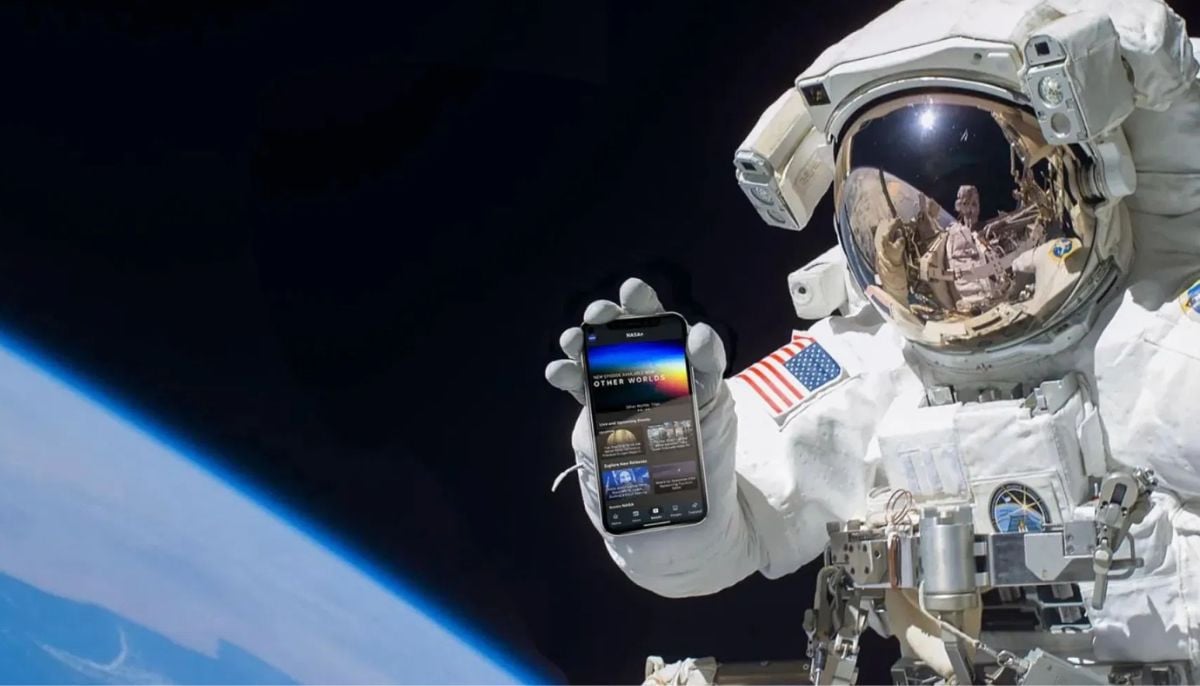 Smartphones in orbit? NASA’s Crew-12 and Artemis II missions to use latest mobile tech
 -
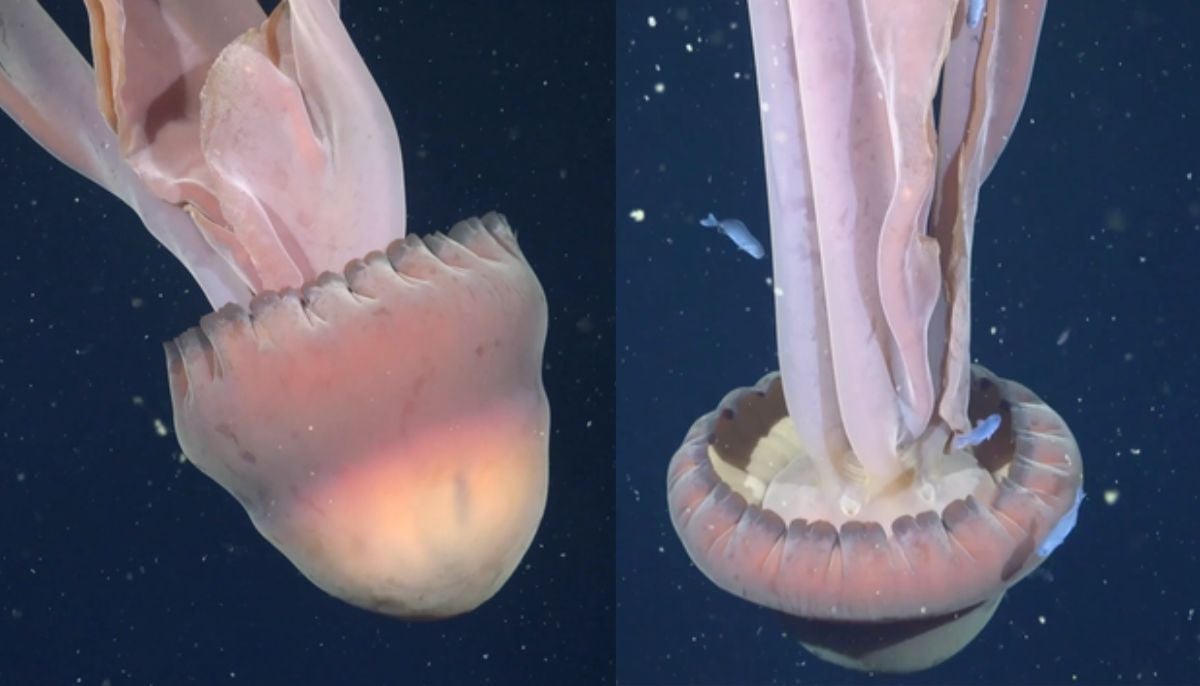 Rare deep-sea discovery: ‘School bus-size’ phantom jellyfish spotted in Argentina
 -
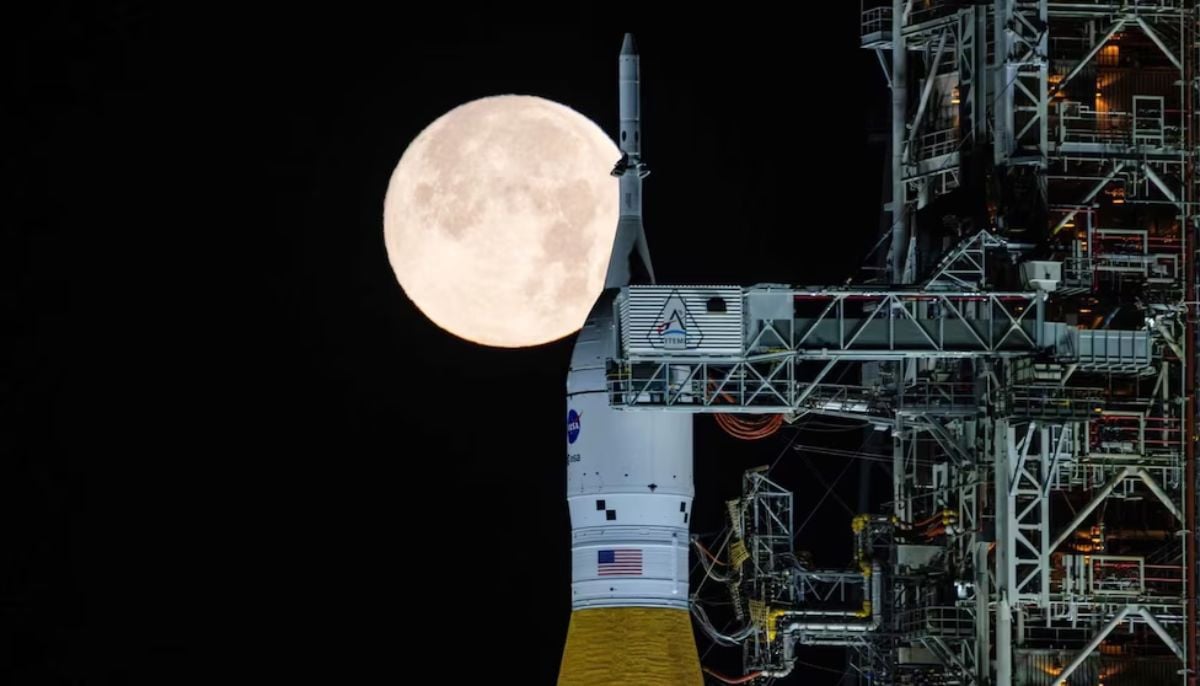 NASA eyes March moon mission launch following test run setbacks
 -
 February offers 8 must-see sky events including rare eclipse and planet parade
 -
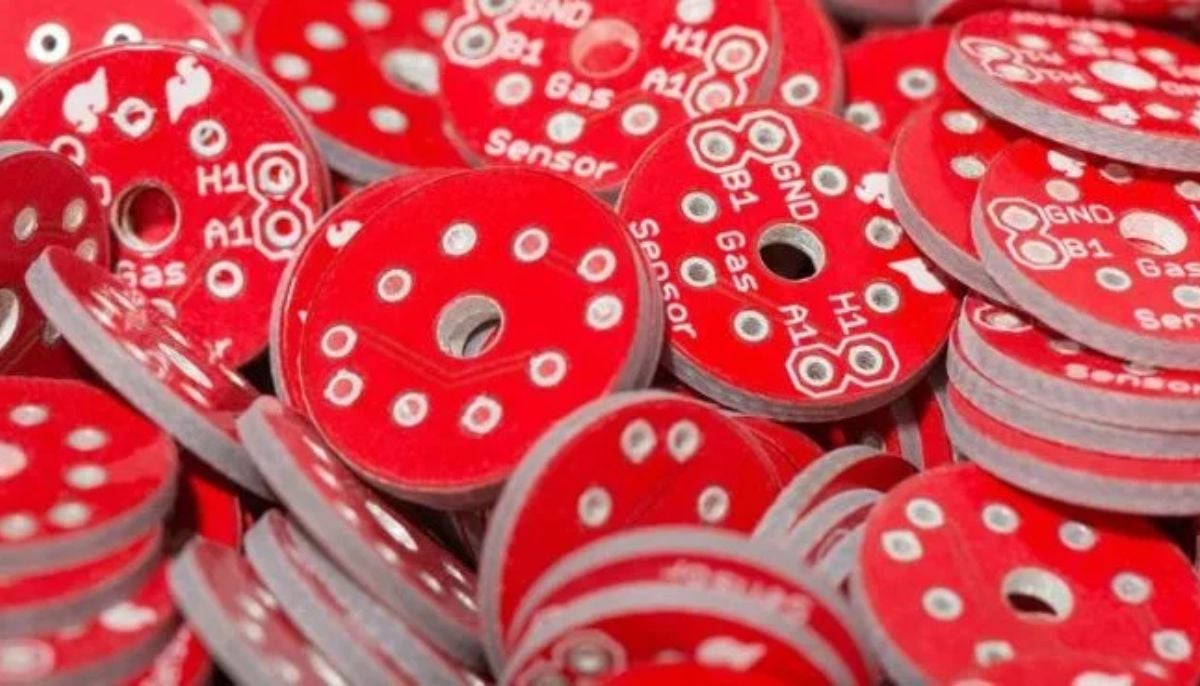 New study reveals biodegradable chip aims to reduce e-waste and air pollution
 -
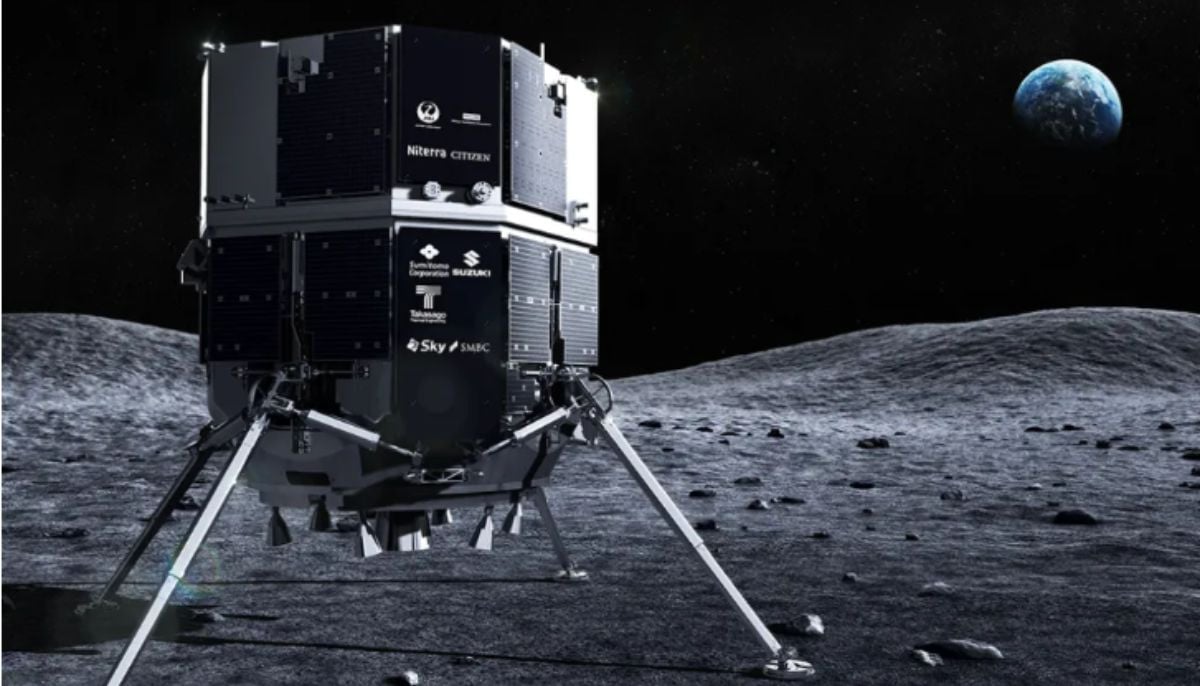 Scientists unveil new robotic mission for the moon
 -
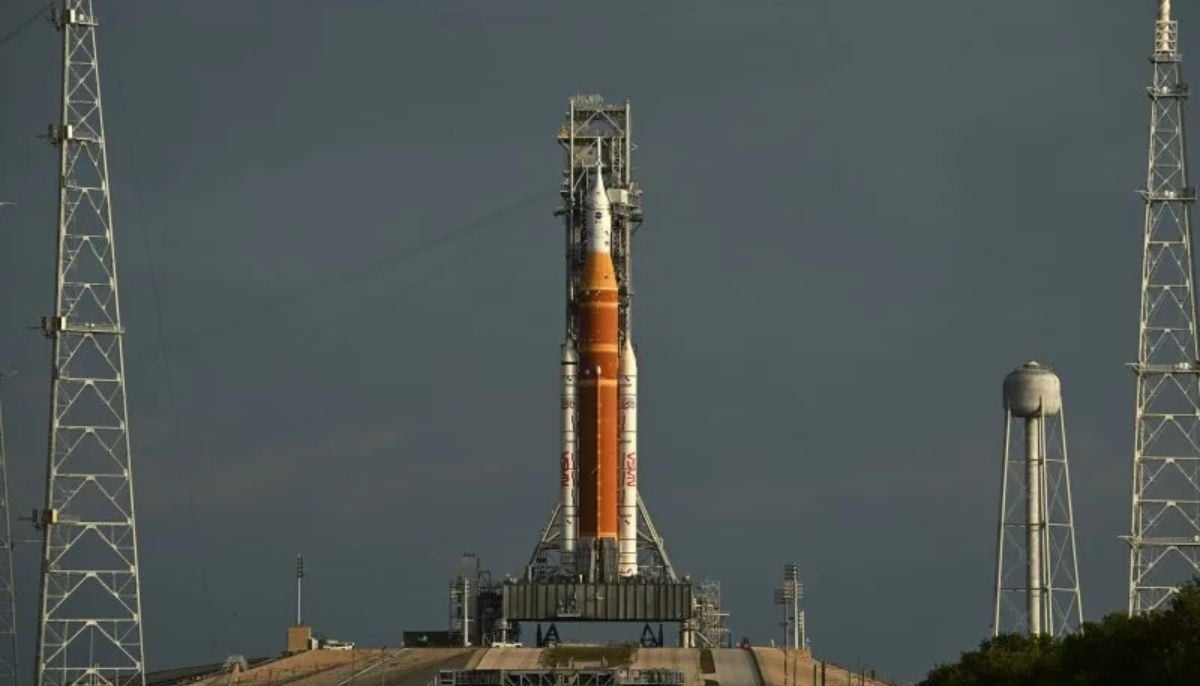 NASA reschedules Artemis II rehearsal due to Florida arctic outbreak