
Northern Lights in June: When to see Aurora Borealis?
Bright celestial event is yet again gracing Earth skies in upcoming month of June
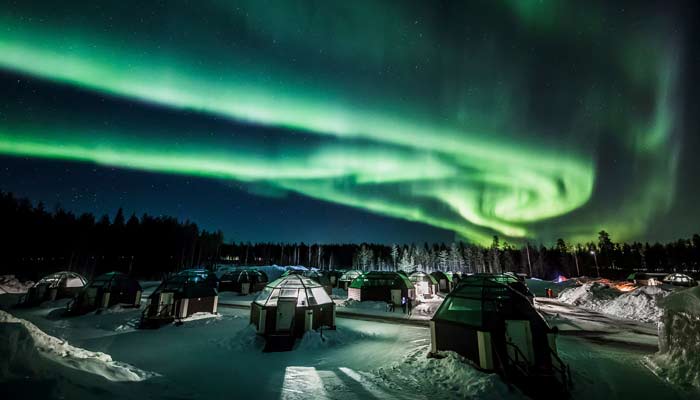
Northern Lights and Aurora Borealis are happening again this June.
Be prepared to drive to dark skies during the first week of June if you want to catch a glimpse of the Northern Lights from below the Arctic Circle, according to Live Science.
An extremely uncommon event occurred between May 10 and May 12, when the strongest geomagnetic storm to hit Earth in over 20 years painted the skies with vibrant auroras as far south as Florida and Mexico.
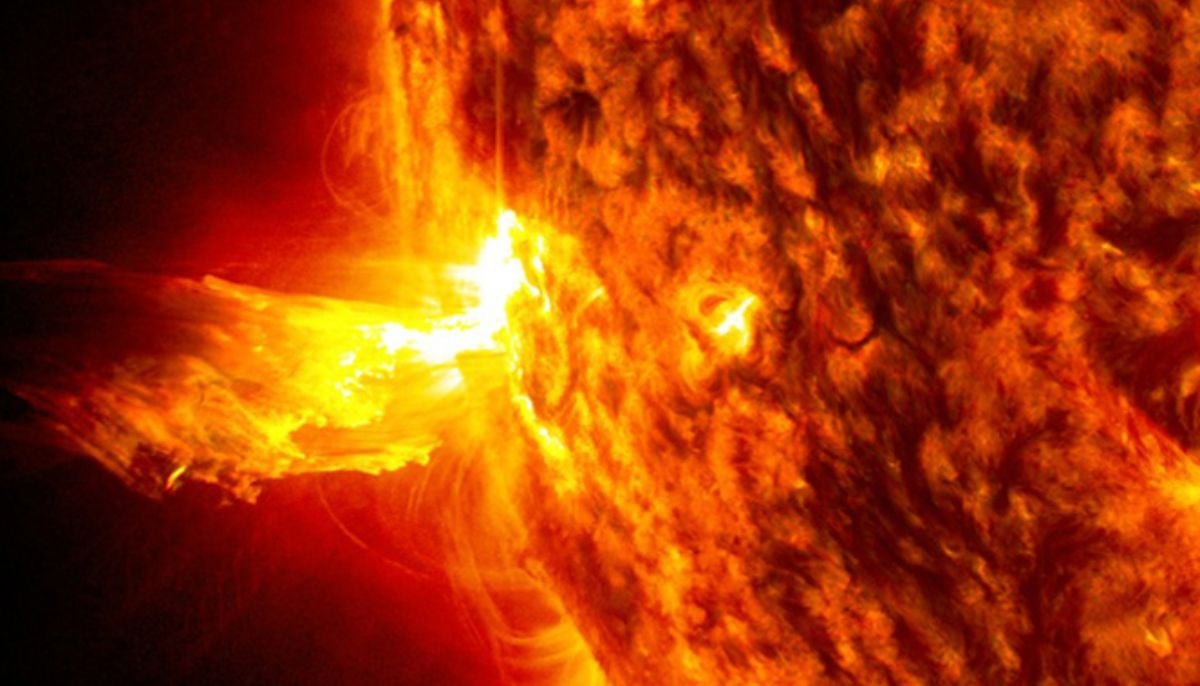
As a result of at least five solar storms striking Earth at the same time, active region 3664 (also known as AR3664 and AR13664)—a giant sunspot that is more than 15 times wider than Earth—caused this. When the charged particles hit Earth's magnetosphere, they were directed toward the poles along lines of magnetic field, producing bright auroras as they went.
Importantly, the effects of the solar storms became visible a few nights after May's new moon, when there was no moonlight in the night sky and even the faintest auroras could be seen.
Northern Lights time
The new moon on June 6 rises precisely 27 days after May 10, so be cautious a few nights before and after that date in case the intense geomagnetic activity from last month occurs again. If you can see auroras in your area, you'll need to get away from obstructing clouds and city lights.
There might be more opportunities this year to see the aurora near you, even after June's new moon.




-
 Total Lunar eclipse: What you need to know and where to watch
 -
 Sun appears spotless for first time in four years, scientists report
 -
 SpaceX launches another batch of satellites from Cape Canaveral during late-night mission on Saturday
 -
 NASA targets March 6 for launch of crewed mission around moon following successful rocket fueling test
 -
 Greenland ice sheet acts like ‘churning molten rock,’ scientists find
 -
 Space-based solar power could push the world beyond net zero: Here’s how
 -
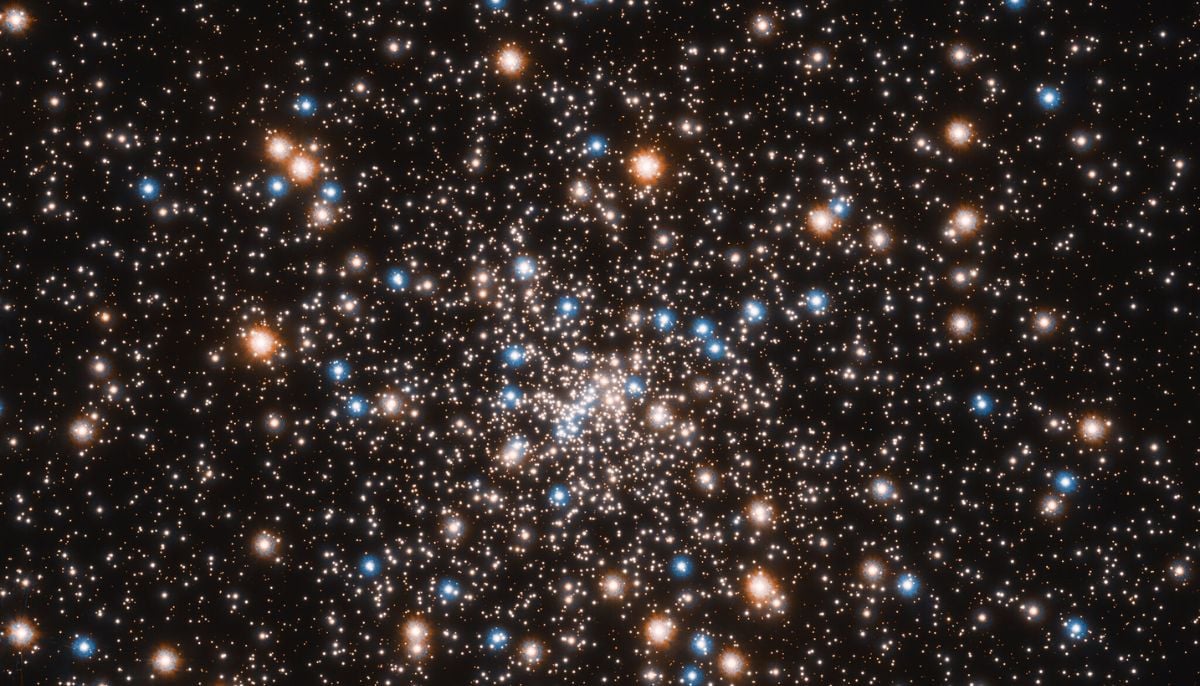 Hidden ‘dark galaxy' traced by ancient star clusters could rewrite the cosmic galaxy count
 -
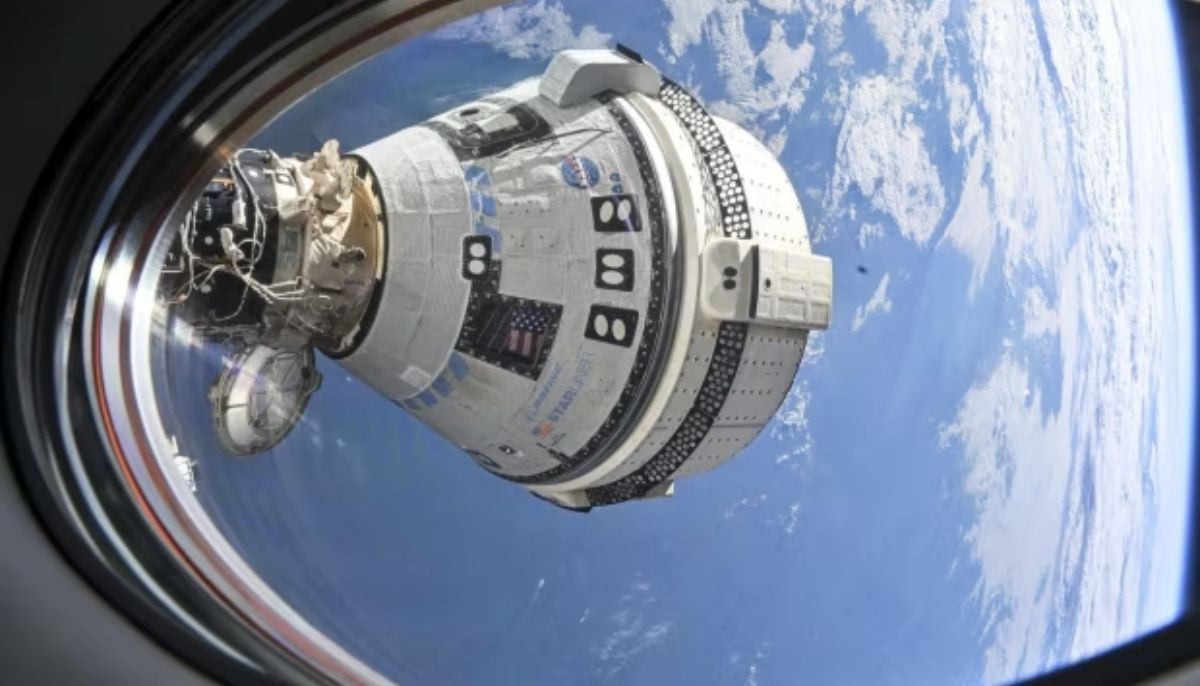 Astronauts face life threatening risk on Boeing Starliner, NASA says