
Most powerful auroras in 500 years are happening now
Northern Lights, Aurora Borealis are likely most strongest in 500 years

Earthlings may have witnessed some of the strongest auroras in 500 years.
Two weekends ago, the auroral displays that graced sky gazers around the world, including people as far south as Florida in the US and Ladakh in northern India, are likely to have been among the strongest shows of light since record-keeping started, according to Space.
"With reports of auroras visible to as low as 26 degrees magnetic latitude, this recent storm may compete with some of the lowest-latitude aurora sightings on record over the past five centuries, though scientists are still assessing this ranking," Nasa officials said in a statement.
"It's a little hard to gauge storms over time because our technology is always changing," Delores Knipp, a research professor at the University of Colorado Boulder said in the same statement.
"Aurora visibility is not the perfect measure, but it allows us to compare over centuries."
Only in high-latitude areas such as the Arctic and northern Canada, the northern and southern lights are usually a spectacle.
However, the vibrant colours travelled toward the equator on May 10 due to a rare G5 geomagnetic storm caused by our hyperactive Sun a few days earlier. Since Halloween of 2003, it was the strongest to hit our planet.



-
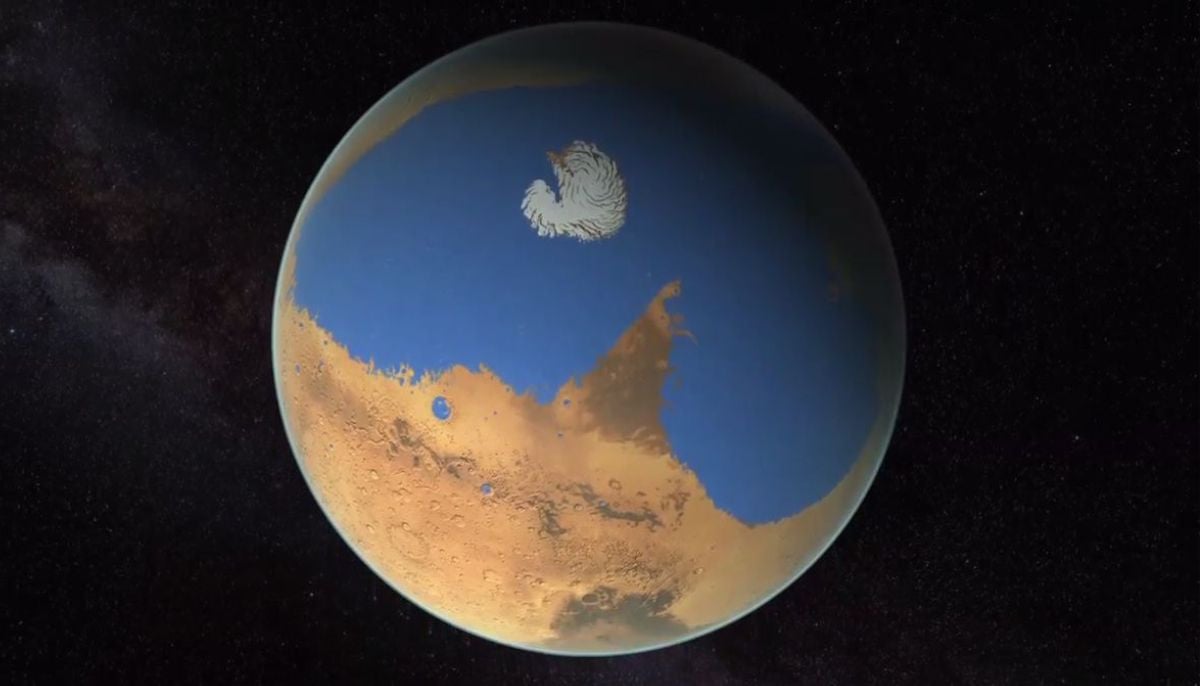 ‘Mars’ missing water mystery takes a surprising turn as new study finds regional dust storms trigger massive water loss into space
 -
 Scientists reveal how sleeping can unlock your creative potential
 -
 NASA Artemis 2 moon mission faces unexpected delay ahead of March launch
 -
 Total Lunar eclipse: What you need to know and where to watch
 -
 Sun appears spotless for first time in four years, scientists report
 -
 SpaceX launches another batch of satellites from Cape Canaveral during late-night mission on Saturday
 -
 NASA targets March 6 for launch of crewed mission around moon following successful rocket fueling test
 -
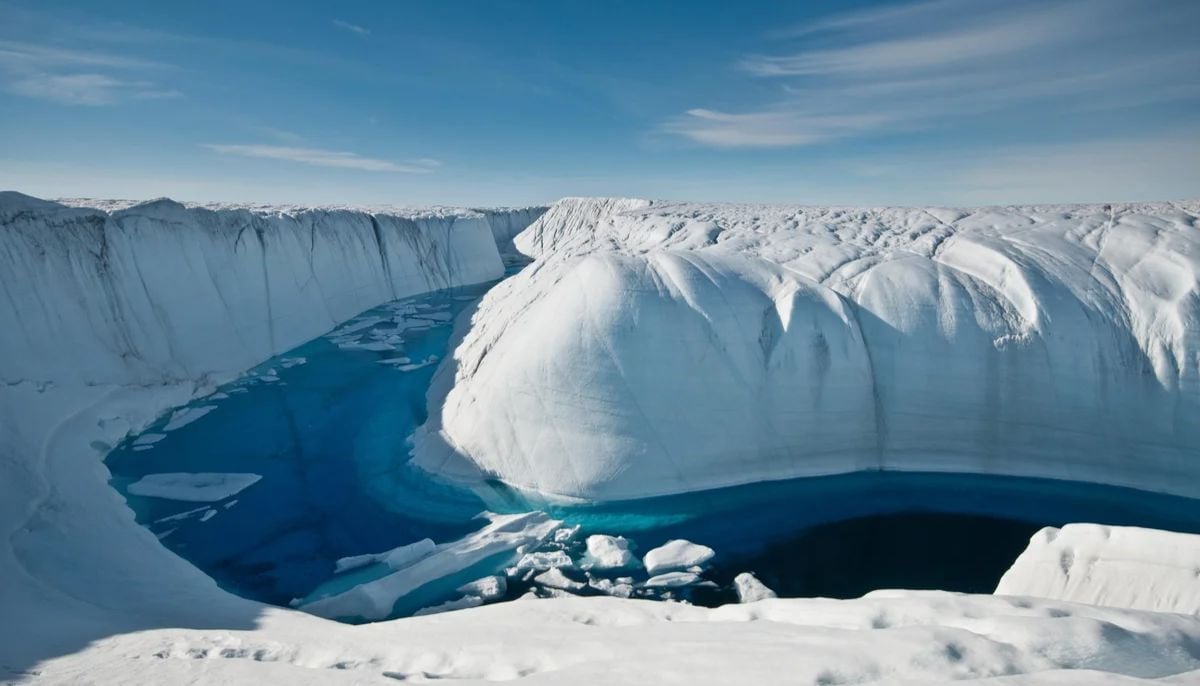 Greenland ice sheet acts like ‘churning molten rock,’ scientists find