
Apple iPad Pro model disassembly reveals new changes
Cupertino-based tech giant has new enhanced changes for iPad Pro 13-inch
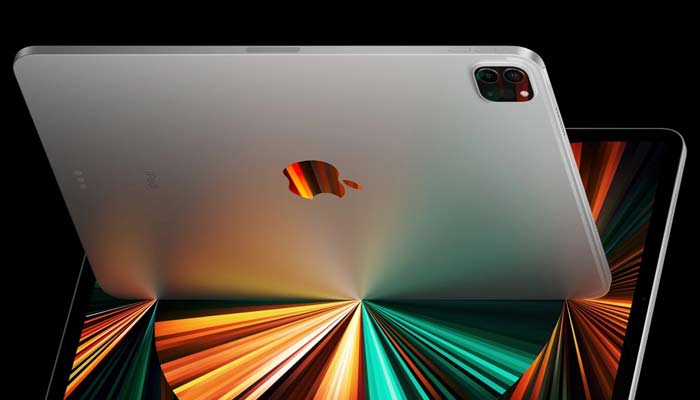
Apple iPad Pro OLED is being regarded as an interesting release by Tim Cook’s American tech giant.
The new Apple gadget packs a serious amount of power after being powered by Apple M4, which is the newest chipset from the Cupertino giant, according to GizChina.
Interestingly, it's the same chipset which will also be available on the new Apple Macs, so the buyers are actually getting the power of a computer in a portable tablet.
The new Apple iPad M4 has a number of alterations under the hood. These include a new copper logo for better heat dissipation, a large-sized battery, and a new thermal solution.
One prominent thing that the Apple iPad Pro teardown has disclosed is that the new tablet is easier to repair.
The teardown shows that the components are tightly packed inside the iPad Pro considering the changes under the hood. To keep the new tablet thin and compact, Apple likely had to choose such a tight layout.
A repositioned Face ID on the new Apple iPad Pro has also been noticed. Moreover, the Apple logo on the back of the new iPad isn’t just there for aesthetics but it has a practical use.
Additionally, the disassembly shows redesigned magnets. These are going to make Apple accessories such as Pencil Pro and Magic Keyboard snap better than the Apple iPad Pro.




-
 Total Lunar eclipse: What you need to know and where to watch
 -
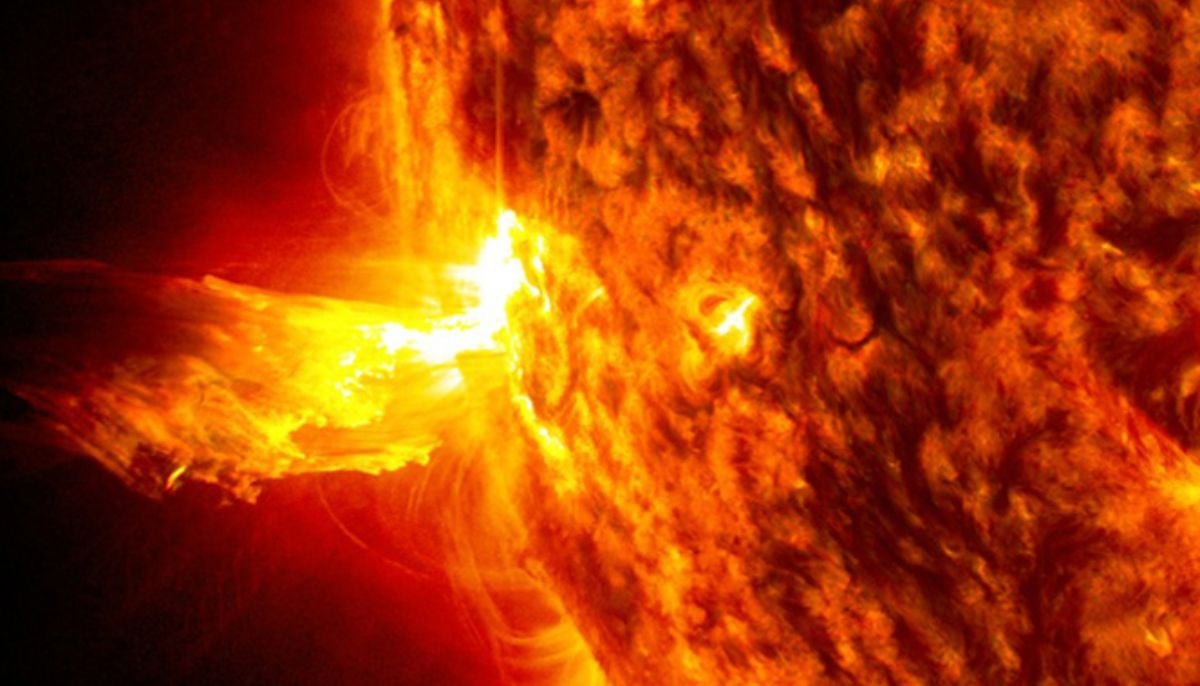 Sun appears spotless for first time in four years, scientists report
 -
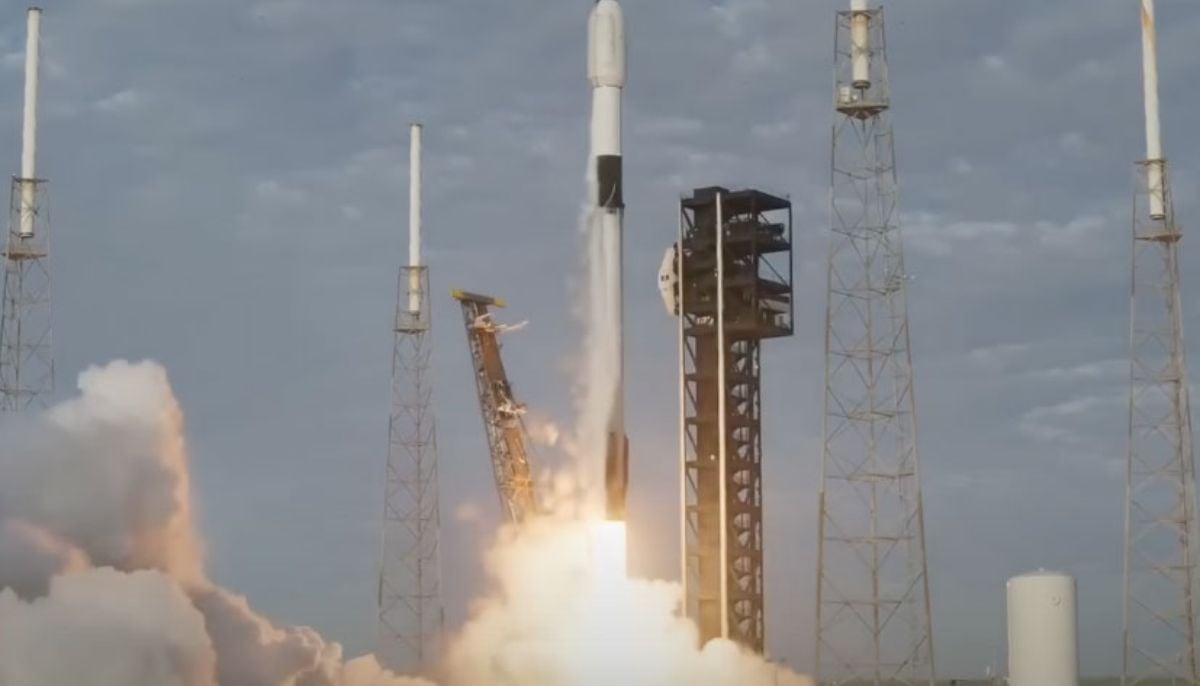 SpaceX launches another batch of satellites from Cape Canaveral during late-night mission on Saturday
 -
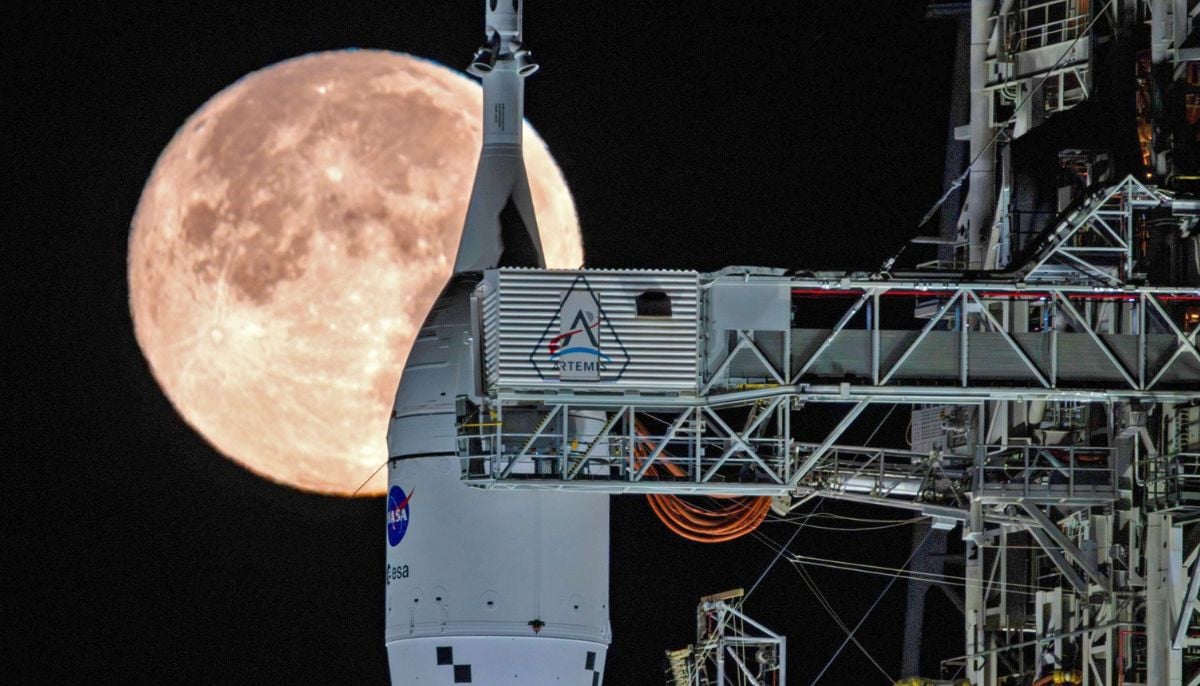 NASA targets March 6 for launch of crewed mission around moon following successful rocket fueling test
 -
 Greenland ice sheet acts like ‘churning molten rock,’ scientists find
 -
 Space-based solar power could push the world beyond net zero: Here’s how
 -
 Hidden ‘dark galaxy' traced by ancient star clusters could rewrite the cosmic galaxy count
 -
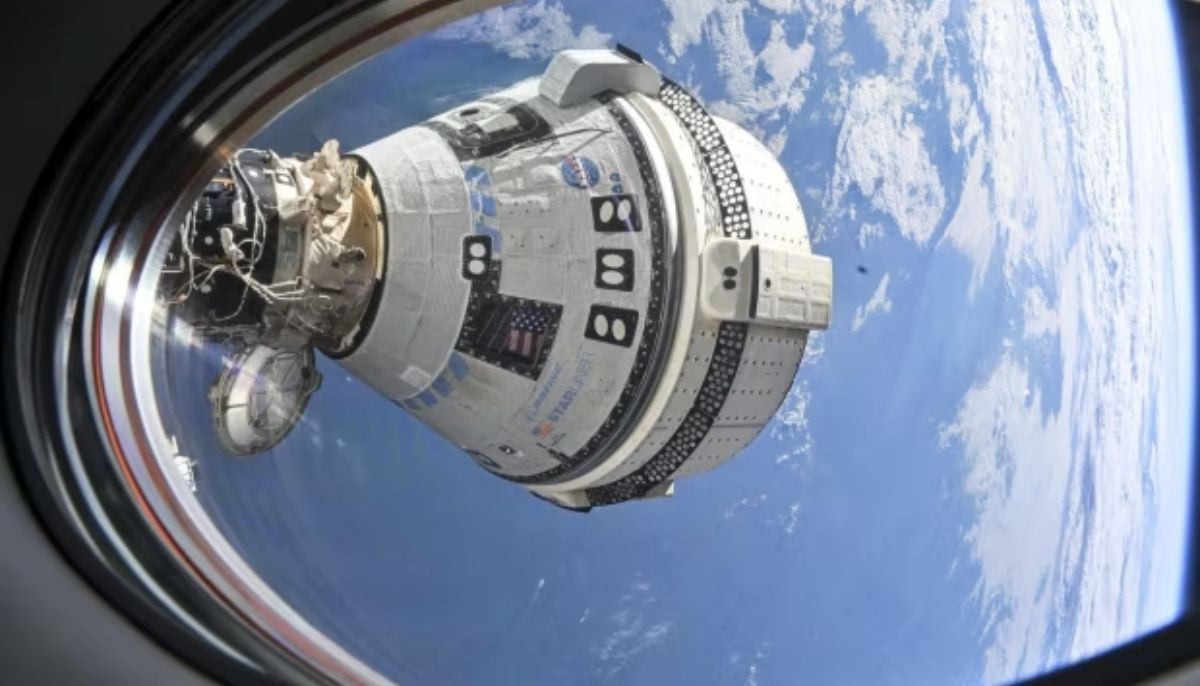 Astronauts face life threatening risk on Boeing Starliner, NASA says