
Egypt receives $14bn from UAE to develop Ras Al Hekma
Egypt expects to attract $150bn in investments by developing its coastal city
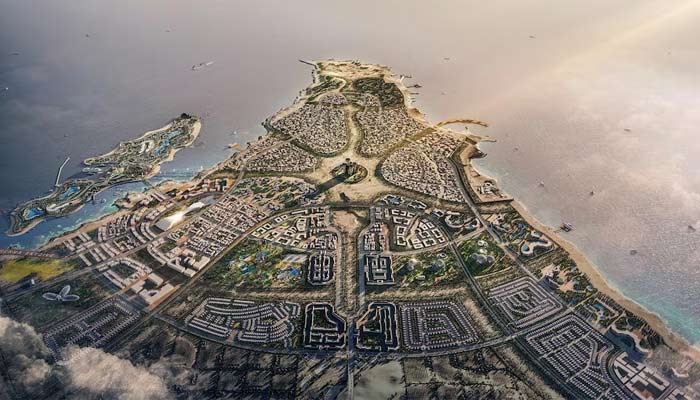
Egypt has received a $14 billion payment from the United Arab Emirates for the development of its coastal city Ras Al Hekma to boost its economy.
This marks the second payment from the UAE as part of a whopping $35 billion deal between the countries, signed in February, for the development of the coastal city, The National reported.
The Egyptian coastal city, about 350km north-west of Cairo, covers an expanse of over 40,600 acres and will feature a several residential districts, prestigious international hotels, and mesmerising tourist resorts.
The development plan includes entertainment venues, hospitals, educational institutions and world-class universities that will leave visitors captivated.
The development is also expected to attract more foreign direct investment, boost trade, create new jobs and support Egypt's private sector.
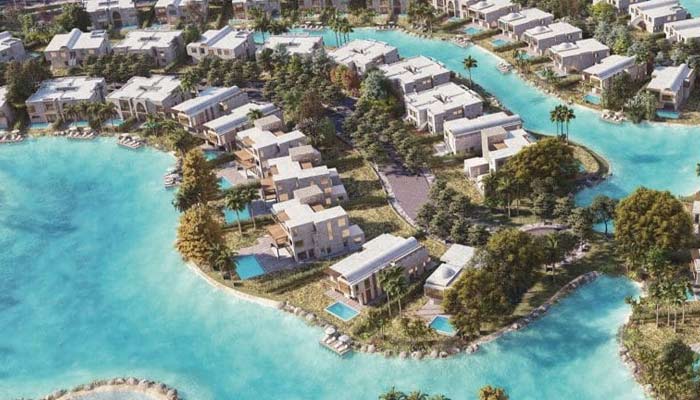
Additionally, the city will have free economic zones dedicated to information technology industries, to bring forward and develop groundbreaking ideas.
The deal is also about creating a hub that will shape the future of North Coast and Egypt.
The agreement makes Ras El Hekma a great spot for investors looking to capitalise on a growing market as Egyptian Prime Minister Mostafa Madbouly had said in February that the project is expected to attract as much as $150 billion in investments.




-
 BTC price today: Bitcoin sinks below $65K on trade uncertainty
 -
 Tesla expands Cybertruck lineup with affordable model in US, slashes Cyberbeast price to boost demand
 -
 Uber enters seven new European markets in major food-delivery expansion
 -
 Will Warner Bros finalize deal with Paramount or stays loyal with Netflix's offer?
 -
 $44 billion Bitcoin blunder: Bithumb exchange apologizes for accidental payout
 -
 Global memory chip crunch puts spotlight on Apple; Will iPhone become more pricey?
 -
 Bitcoin plummets toward $60,000 as investors dump risky bets
 -
 Bitcoin crashes below $63K as regulatory pressure and market fears grow