
World's first sustainable transatlantic flight rules against CO2 emissions
World's first sustainable fuel transatlantic flight reduces tonnes of carbon emissions
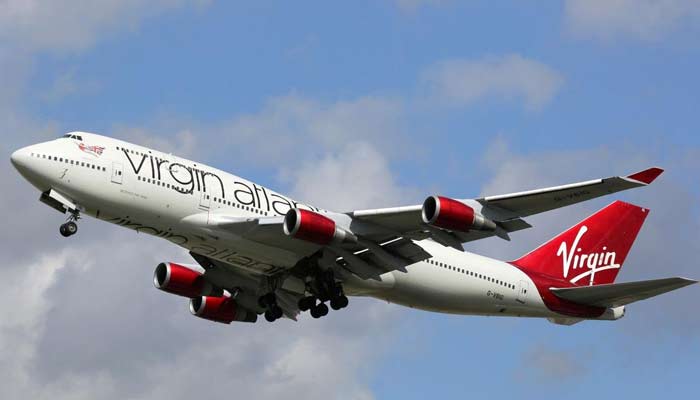
Virgin Atlantic's Flight100, which used only sustainable aviation fuel, avoided 95 tonnes of carbon dioxide emissions and is the world's first transatlantic flight of this sort, as per the statistics.
Additionally, the corporation made it clear that using sustainable aviation fuel (SAF) with current infrastructure is safe and can result in significant CO2 emission reductions, according to Interesting Engineering.
The engine, airframe, and fuel system were all left intact, and the trip was conducted in accordance with the same safety regulations as all other commercial flights.
On November 28, 2023, a Virgin Atlantic Boeing 787 aircraft powered by Rolls-Royce Trent 1000 engines took off from London Heathrow and touched down at New York JFK.
Additionally, it was the first commercial airplane in history to fly across the Atlantic entirely on solar power.
Moreover, this week saw the publication of the flight's data, which showed a 40% reduction in non-CO2 particle emissions thanks to SAF.






-
 Shanghai Fusion ‘Artificial Sun’ achieves groundbreaking results with plasma control record
 -
 Polar vortex ‘exceptional’ disruption: Rare shift signals extreme February winter
 -
 Netherlands repatriates 3500-year-old Egyptian sculpture looted during Arab Spring
 -
 Archaeologists recreate 3,500-year-old Egyptian perfumes for modern museums
 -
 Smartphones in orbit? NASA’s Crew-12 and Artemis II missions to use latest mobile tech
 -
 Rare deep-sea discovery: ‘School bus-size’ phantom jellyfish spotted in Argentina
 -
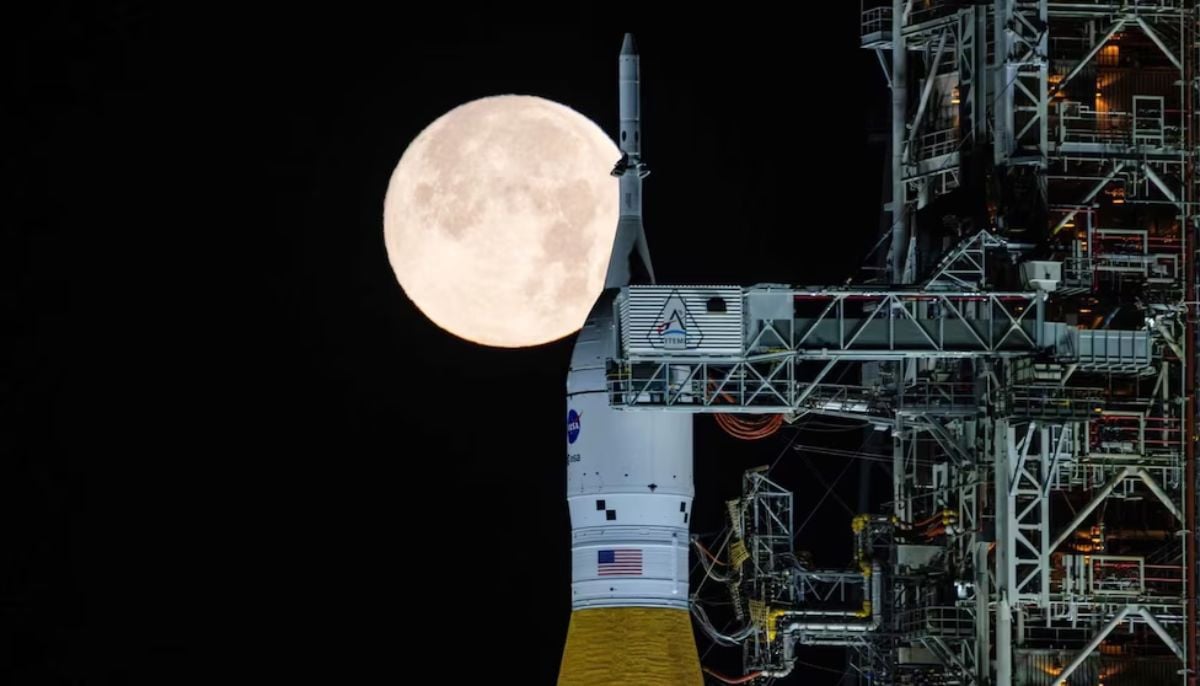 NASA eyes March moon mission launch following test run setbacks
 -
 February offers 8 must-see sky events including rare eclipse and planet parade