
2000-year-old buried Roman city found in Spain
This stunning Roman find is the largest of its kind in the Iberian Peninsula
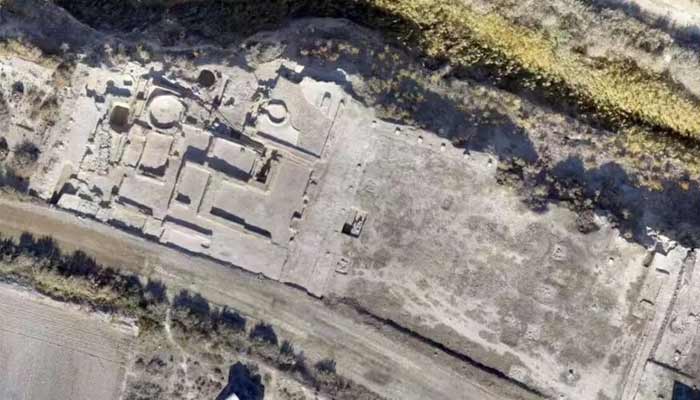
Archaeologists have unearthed a 2,000-year-old buried Roman city in the Spanish city of Zaragoza, Express reported.
Researchers believe the city, which was used as a military camp, was part of the Roman empire and was part of the peninsula, which today comprises Spain and Portugal. The name of the city is currently unknown.
The site was discovered by researchers from the University of Zaragoza. It contains the ruins of a huge plaza surrounded by a portico and adjacent rooms, which are believed to have been used to store goods from trade and commerce.
One of the co-directors leading the research, Borja Diaz, said, “This is a find of exceptional importance, not only because of its dimensions and architectural complexity but because it is the oldest civic square found in the interior of the Iberian Peninsula to date, whose discovery will contribute to radically transforming our knowledge of the initial phase of the spread of Roman architectural models in Hispania.”
According to the layout of the city, researchers suggest that the city may have been used as a commercial hub for goods transported via the nearby Ebro River.
Some artefacts were also found during the search, which include Latin inscriptions, ceramics, and other materials.
Researchers believe the city most likely met its violent end during the Serb wars, which were fought between 80 and 72 BC.


-
 Antarctica’s mysterious ‘gravity hole’: What’s behind the evolution of Earth’s deep interior?
 -
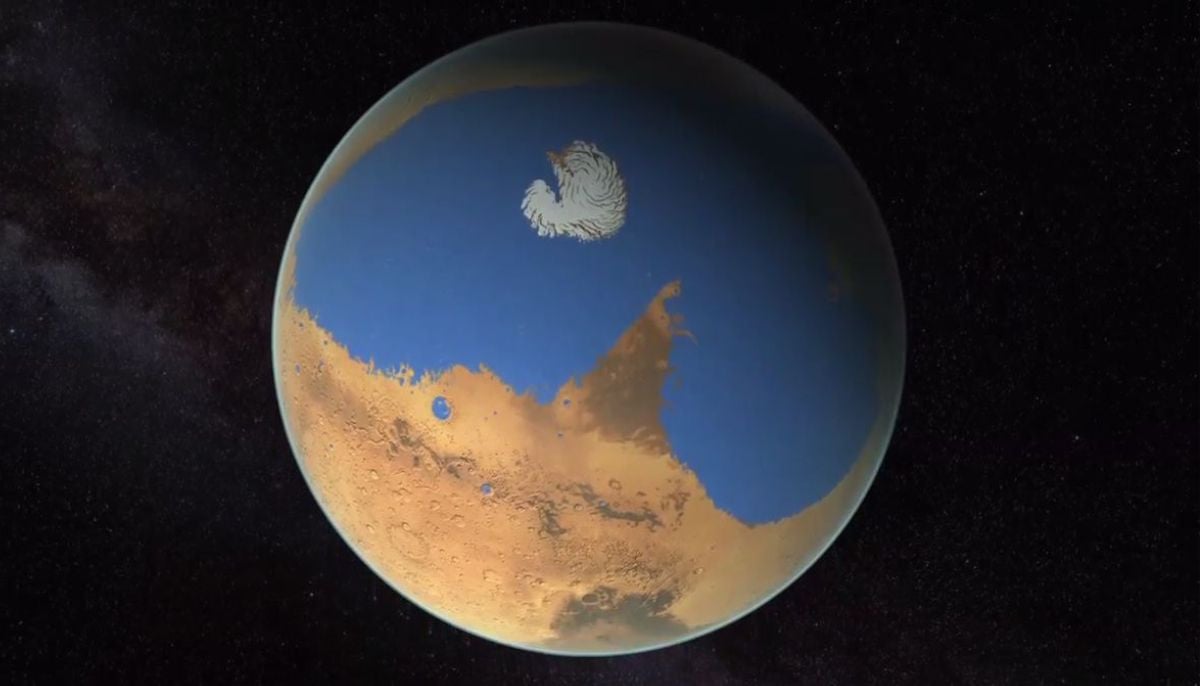 ‘Mars’ missing water mystery takes a surprising turn as new study finds regional dust storms trigger massive water loss into space
 -
 Scientists reveal how sleeping can unlock your creative potential
 -
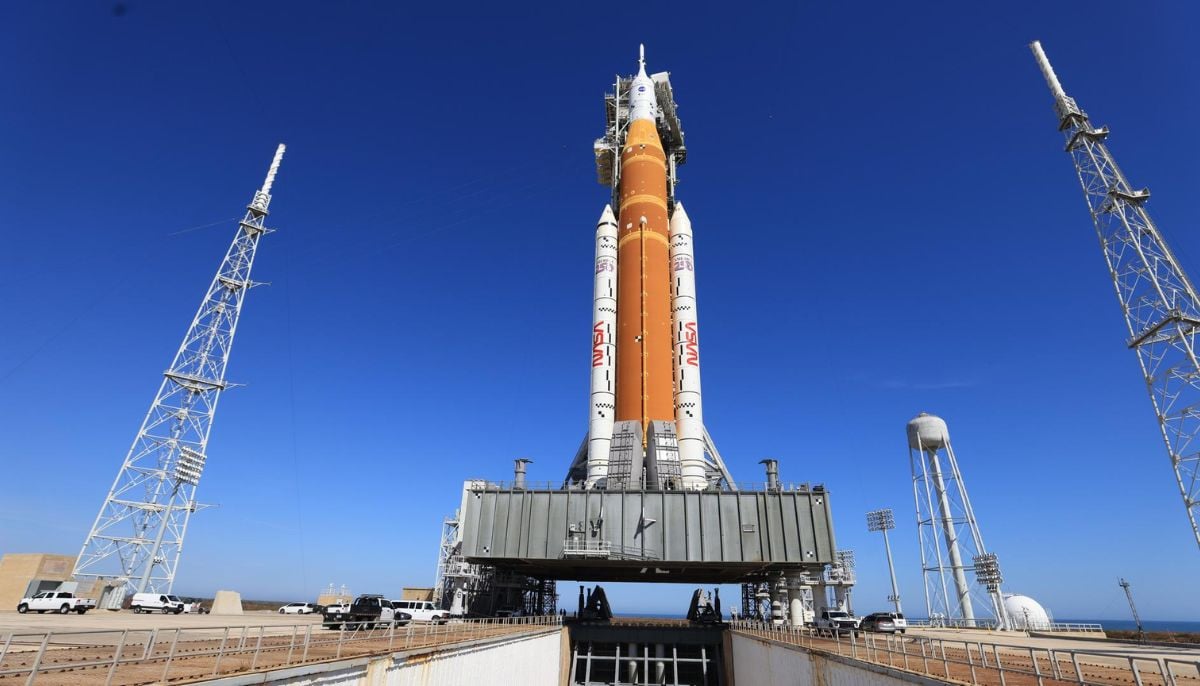 NASA Artemis 2 moon mission faces unexpected delay ahead of March launch
 -
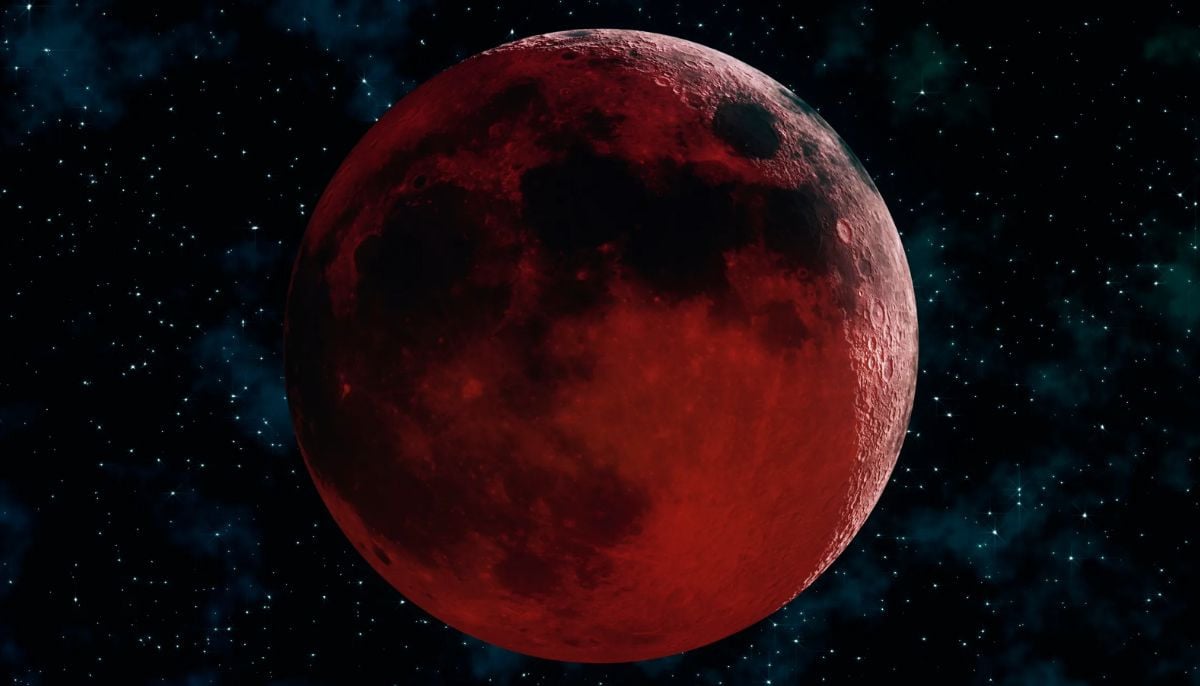 Total Lunar eclipse: What you need to know and where to watch
 -
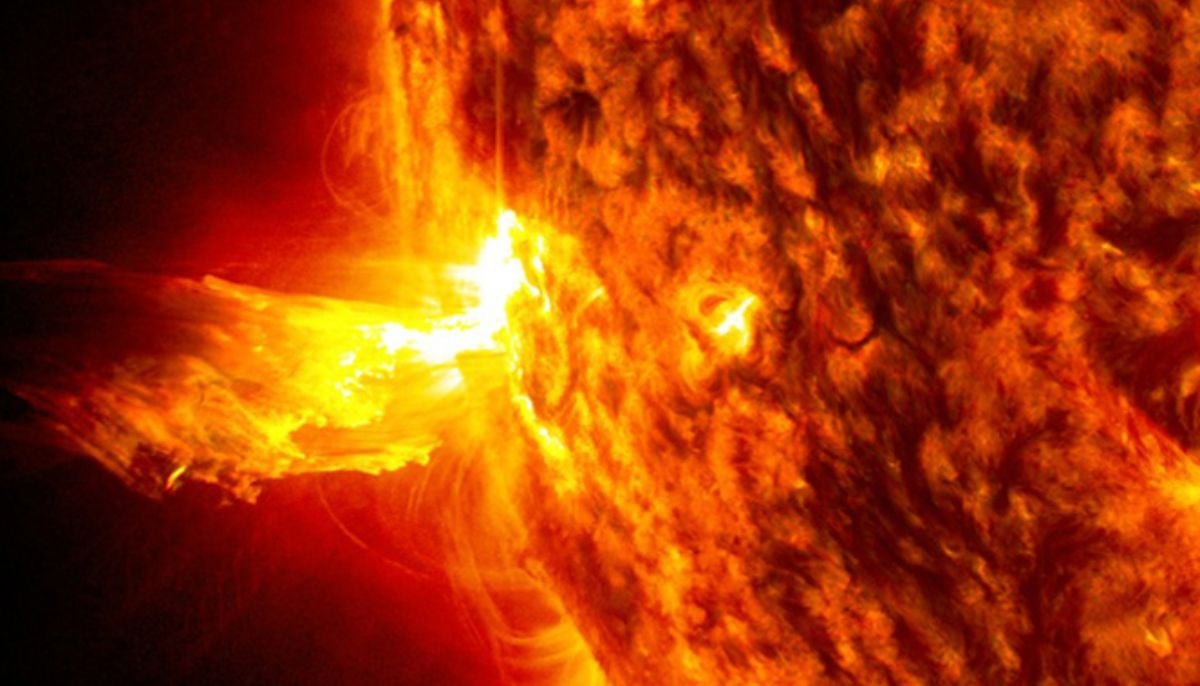 Sun appears spotless for first time in four years, scientists report
 -
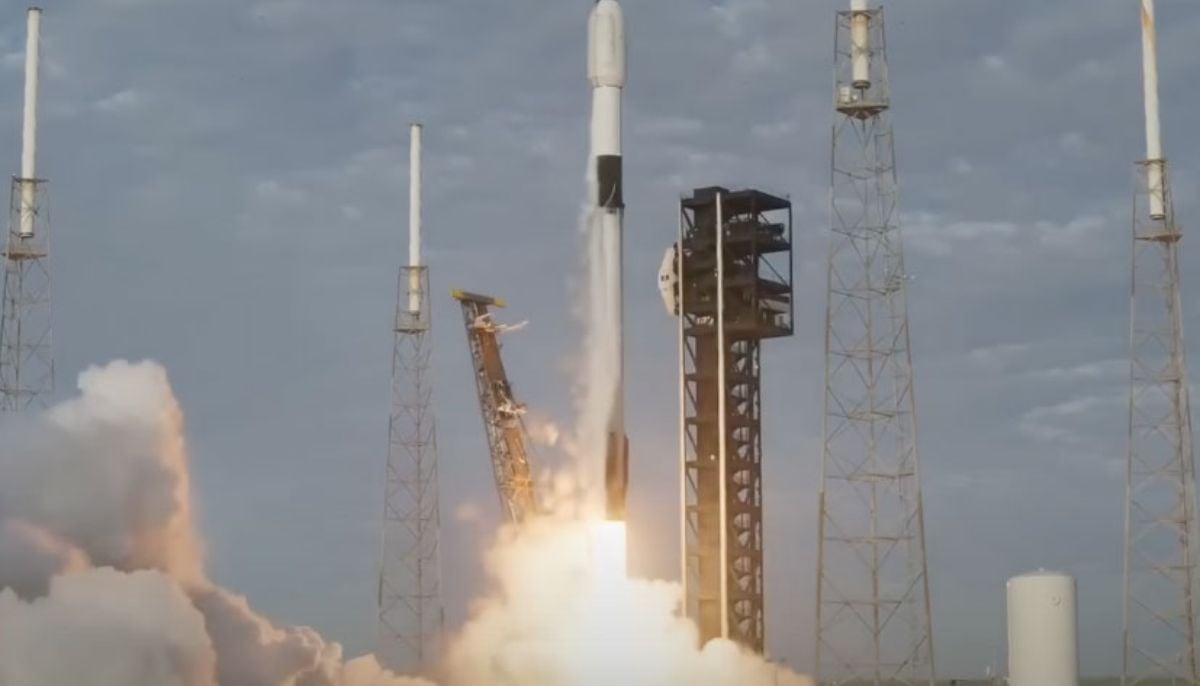 SpaceX launches another batch of satellites from Cape Canaveral during late-night mission on Saturday
 -
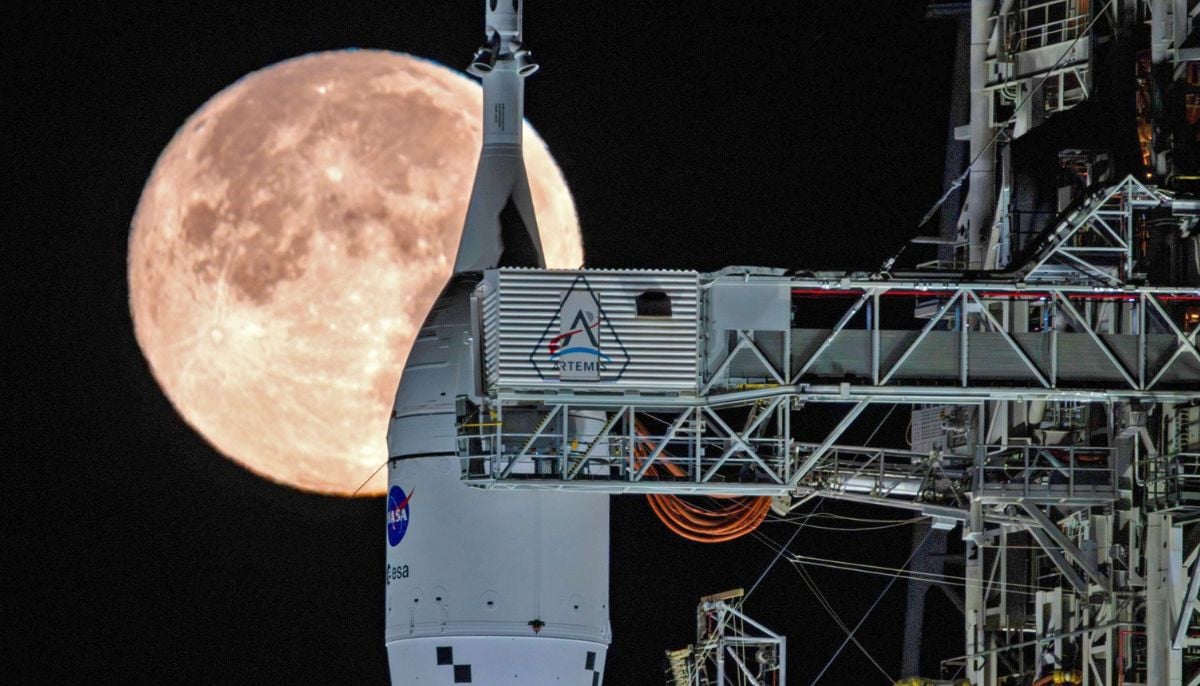 NASA targets March 6 for launch of crewed mission around moon following successful rocket fueling test