
Experts predict scary end of our Earth
Sun be transformed as will start depleting its hydrogen fuel, gradually becoming red giant
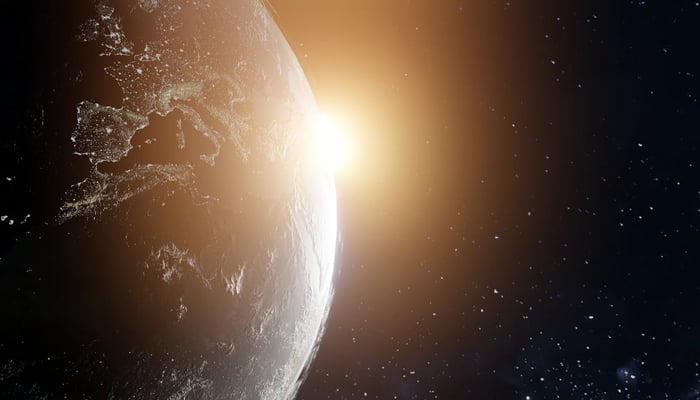
Researchers in their recent study alarmed people with their fearful predictions about the violent end of the Earth as our planet will eventually be eaten by the Sun.
The experts from the University of Warwick challenged the earlier understanding regarding the unraveling of the Earth's demise.
They suggested that the vigorous end would finally come by our star's expansion., after six billion years.
This study, reported by Express Daily US, provides researchers more insight into the life-cycle of our solar system which will be coming to an end because of the inherent nature of stars.
Professor Boris Gaensicke, leading the study, said: "The sad news is that the Earth will probably just be swallowed up by an expanding Sun before it becomes a white dwarf."
The Sun will be going under transformation, as it will start depleting its hydrogen fuel, gradually entering a red giant phase, rendering it 200 times its size.
It will then turn into a white dwarf and will become cooler in temperature. The activity would affect the solar system and the bodies in it as a whole.
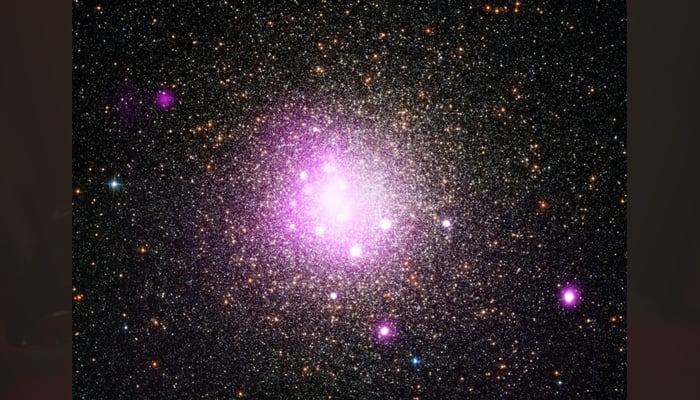
Researchers arrived at this conclusion by studying three different white dwarfs for 17 years and learning about what happened to their surrounding bodies.
The movement of objects around white dwarfs also becomes highly irregular and catastrophic.
The powerful gravity of white stars tear other bodies apart in pieces and eventually to dust.
Professor Gaensicke stated: "For the rest of the solar system, some of the asteroids located between Mars and Jupiter, and maybe some of the moons of Jupiter may get dislodged and travel close enough to the eventual white dwarf to undergo the shredding process we have investigated."




-
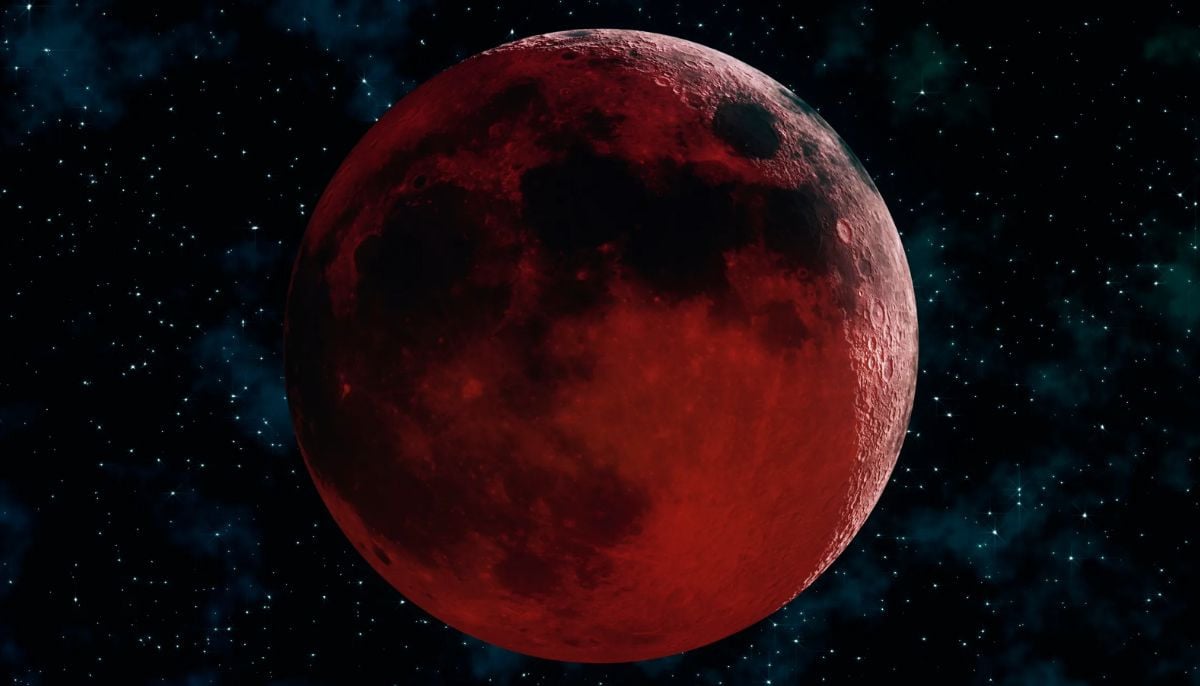 Total Lunar eclipse: What you need to know and where to watch
 -
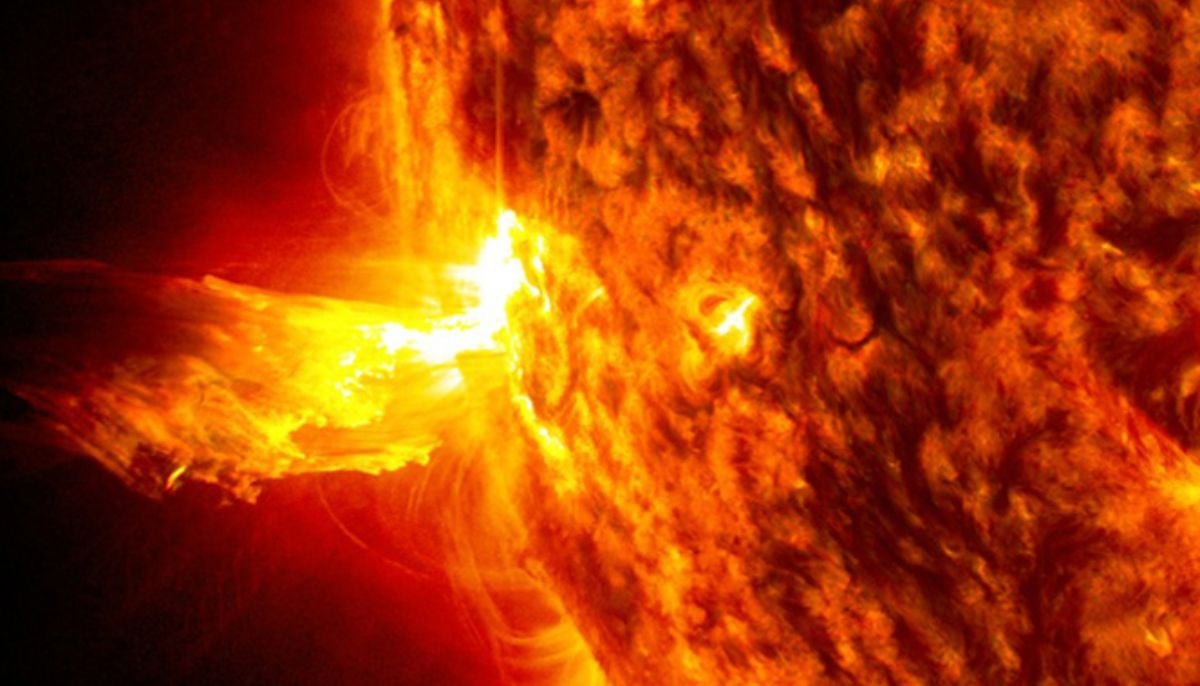 Sun appears spotless for first time in four years, scientists report
 -
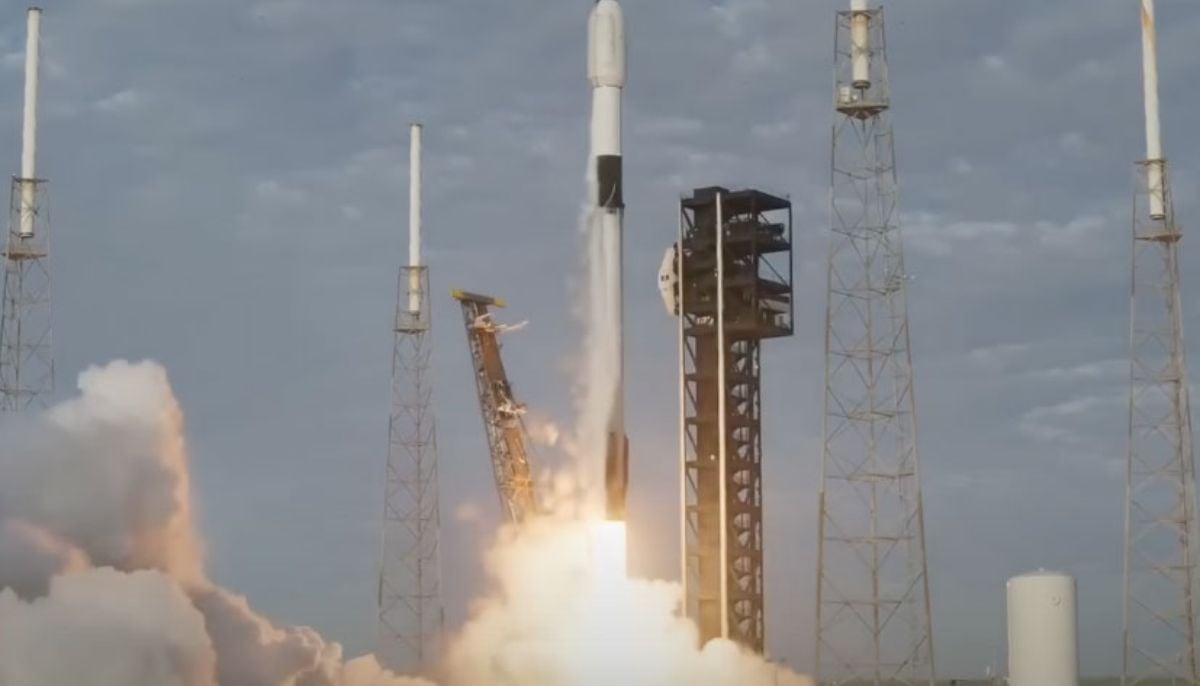 SpaceX launches another batch of satellites from Cape Canaveral during late-night mission on Saturday
 -
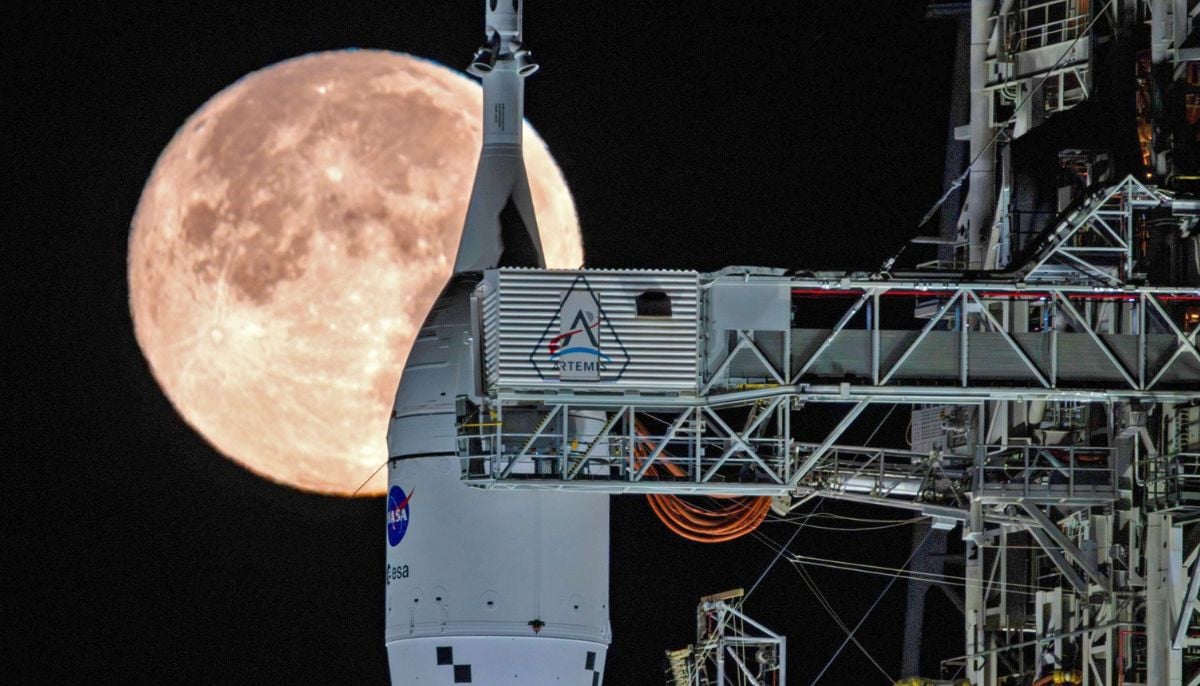 NASA targets March 6 for launch of crewed mission around moon following successful rocket fueling test
 -
 Greenland ice sheet acts like ‘churning molten rock,’ scientists find
 -
 Space-based solar power could push the world beyond net zero: Here’s how
 -
 Hidden ‘dark galaxy' traced by ancient star clusters could rewrite the cosmic galaxy count
 -
 Astronauts face life threatening risk on Boeing Starliner, NASA says