
Solar Eclipse will damage your phone camera!
Celestial event should not be looked at directly with phone camera, naked eye
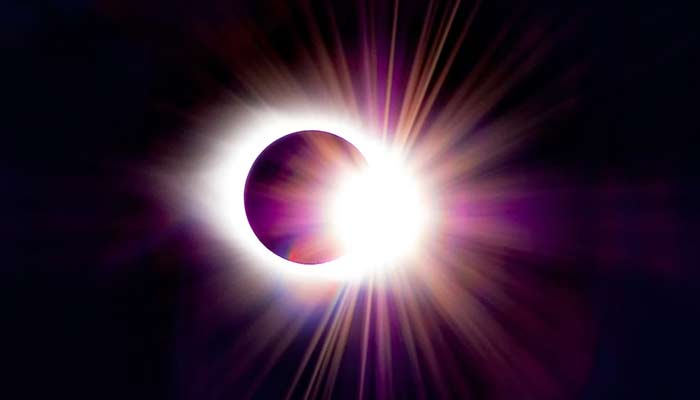
Solar Eclipse can possibly damage people’s phone cameras.
On Monday, April 8, people who will be seeing the Solar Eclipse are advised to utilise eclipse-specific viewing equipment or to put on special glasses, according to Click On Detroit.
When seeing the celestial event, the special glasses will shield your eyes from the intense sunlight using filters and other techniques.
Notably, people are often advised not to look directly at the sun because of its great brightness.
Similar to how the Solar Eclipse may harm eyes, it can also harm cameras.
According to specialists, the lens in your mobile camera will actually focus light from the sun, which could harm or even destroy the device.
Here’s how the Solar Eclipse can harm your phone’s camera.
A phone camera may sustain harm from the lenses' ability to magnify sunlight's intensity. It is especially advised that people avoid looking through a camera's viewfinder when it is aimed directly at the sun, as the intense light can cause serious eye damage.
However, camera lenses can be shielded with filters, just like you would with glasses that have been carefully filtered for your eyes. Purchasing approved filters that adhere to safety regulations is crucial for the sake of your eyes as well as your cameras.
You may buy filters specifically designed to shield a cellphone's lens from sunlight by holding the filter in front of the device.



-
 Scientists reveal how sleeping can unlock your creative potential
 -
 NASA Artemis 2 moon mission faces unexpected delay ahead of March launch
 -
 Total Lunar eclipse: What you need to know and where to watch
 -
 Sun appears spotless for first time in four years, scientists report
 -
 SpaceX launches another batch of satellites from Cape Canaveral during late-night mission on Saturday
 -
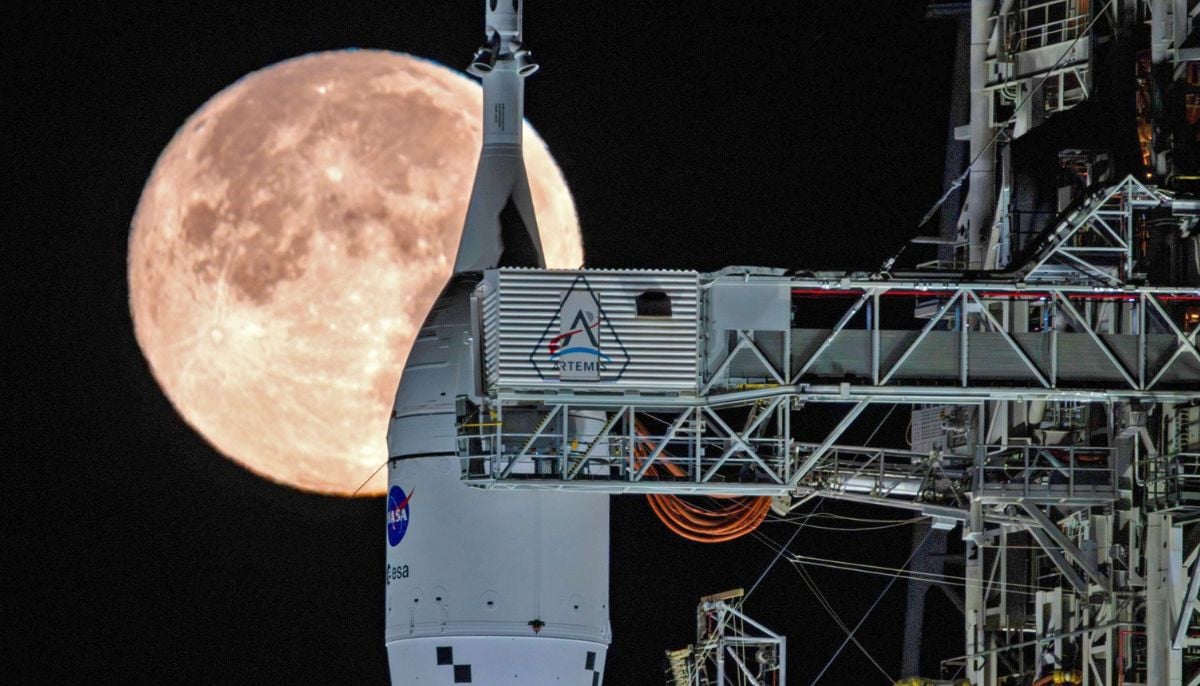 NASA targets March 6 for launch of crewed mission around moon following successful rocket fueling test
 -
 Greenland ice sheet acts like ‘churning molten rock,’ scientists find
 -
 Space-based solar power could push the world beyond net zero: Here’s how