
SpaceX’s rural Starlink satellite enthralls users with lightning fast internet
More satellites are scheduled to be sent into orbit to fill any gaps in Starlink's internet constellation

In a series of download speed tests conducted by European users, Starlink, which has more than 10,000 satellites in orbit, keeps showcasing the true strength of its satellite internet constellation.
Recently, users of Starlink were astounded by download speeds of 300 Mbps. Starlink is now capable of downloading data at rates of more than 600 Mbps in many rural areas.
According to WCCFTech, Starlink satellites are correctly positioned above Germany and are providing subscribers with download speeds of up to 649 Mbps. With an average upload speed of 200 Mbps, download speeds are much faster.
According to Starlink, its typical download speed is between 25 and 220 Mbps, with most users experiencing speeds of over 100 Mbps. The 5 to 20 Mbps range represents upload speeds.
Starlink has varying reports of download speeds based on location because of the brand's recognition and the novelty of low-Earth-orbit satellite internet access.
Despite the fact that Starlink frequently outperforms traditional broadband speeds, areas with larger populations frequently experience more congestion and slower download speeds than rural areas.
The constellation will expand as SpaceX continues to put new Starlink satellites into orbit, bringing faster download rates and more dependable connections to users all over the world.
With each successful launch, the constellation will grow by adding more satellites to fill any gaps.
Another batch of Starlink satellites was placed in low Earth orbit last week by SpaceX. 4,698 satellites have been deployed into the Starlink constellation, and more are planned to be launched over the course of the rest of the year.
The remainder of 2023 will be used to launch newer satellite models into low Earth orbit after the final two Starlink v1.5 launches in July, while the Starlink v2 Mini satellites will be launched by Starlink in about 50 additional launches that are scheduled for the rest of 2023.
More than 3,900 of those already launched are in use or are en route to their intended orbit. With a long-term objective of closer to 42,000 satellites, SpaceX intends to expand the constellation to about 12,000 satellites in the next few years.





-
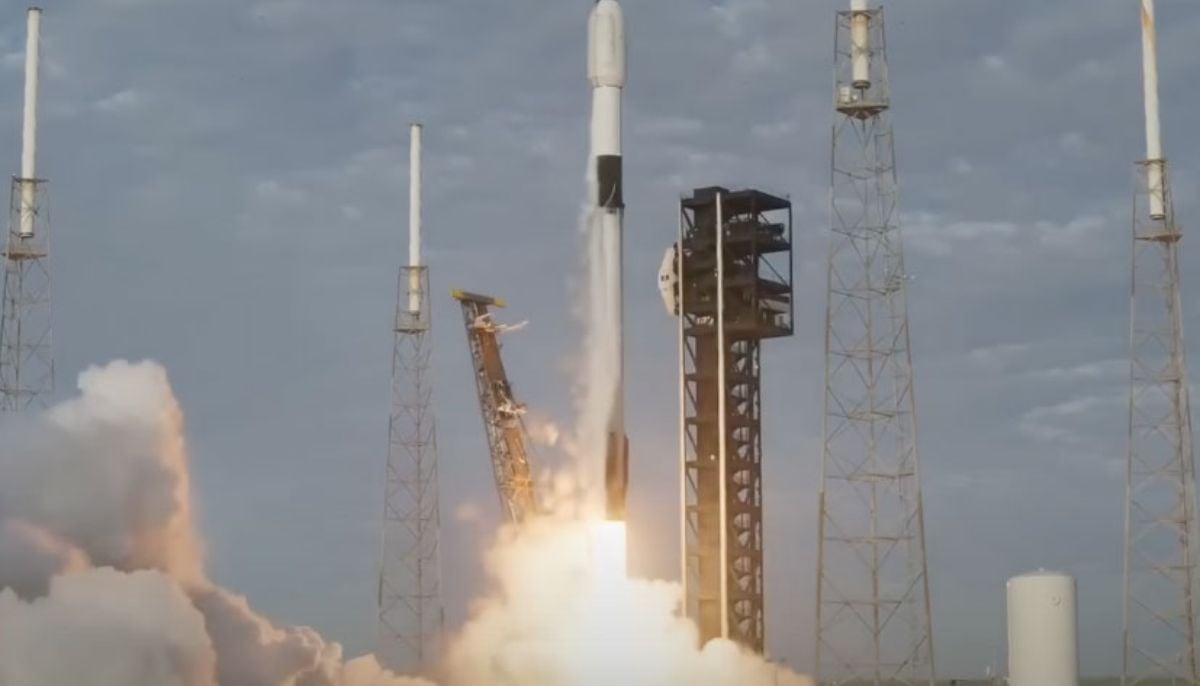 SpaceX launches another batch of satellites from Cape Canaveral during late-night mission on Saturday
 -
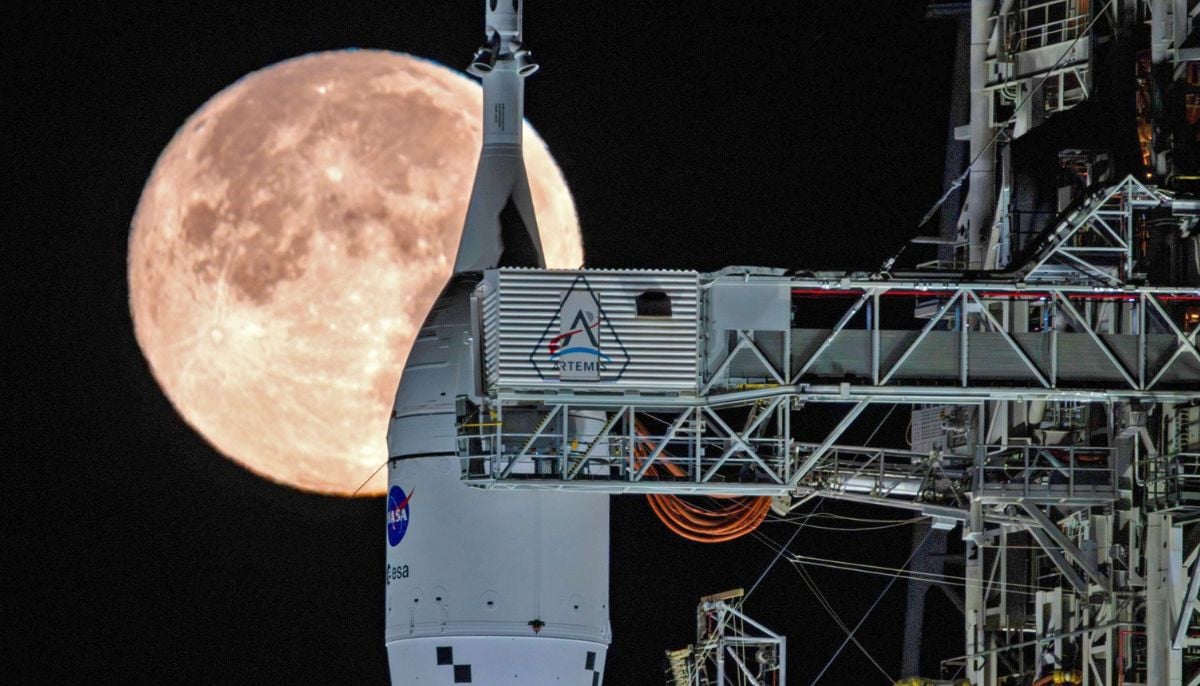 NASA targets March 6 for launch of crewed mission around moon following successful rocket fueling test
 -
 Greenland ice sheet acts like ‘churning molten rock,’ scientists find
 -
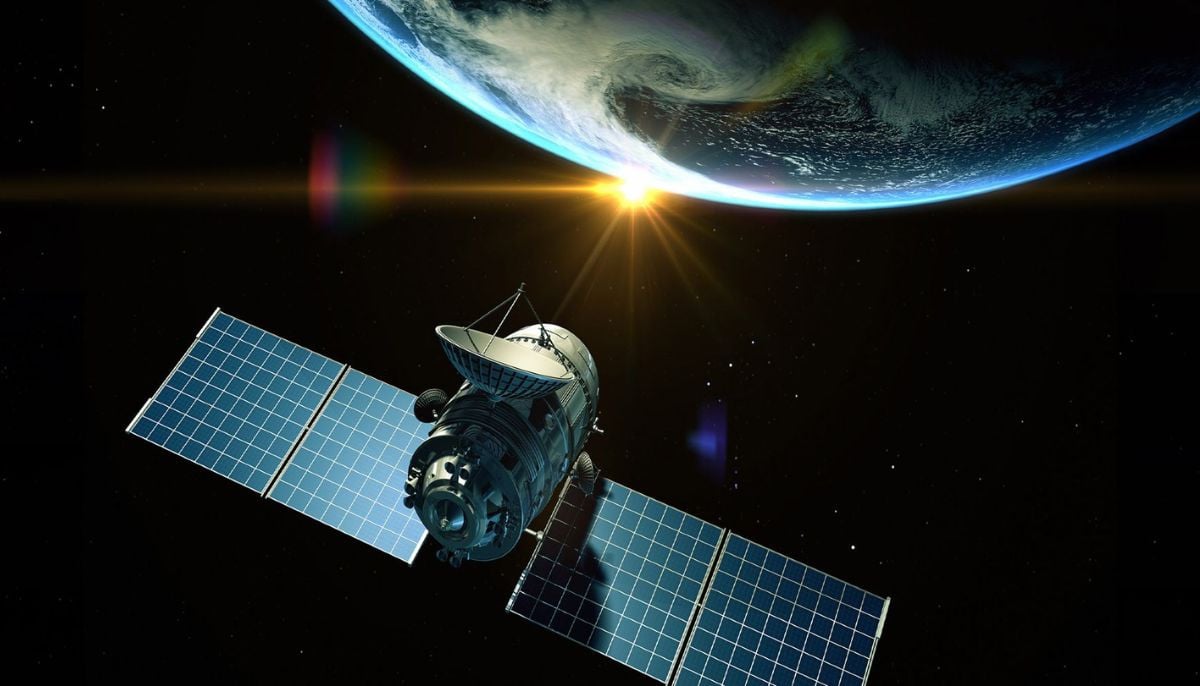 Space-based solar power could push the world beyond net zero: Here’s how
 -
 Hidden ‘dark galaxy' traced by ancient star clusters could rewrite the cosmic galaxy count
 -
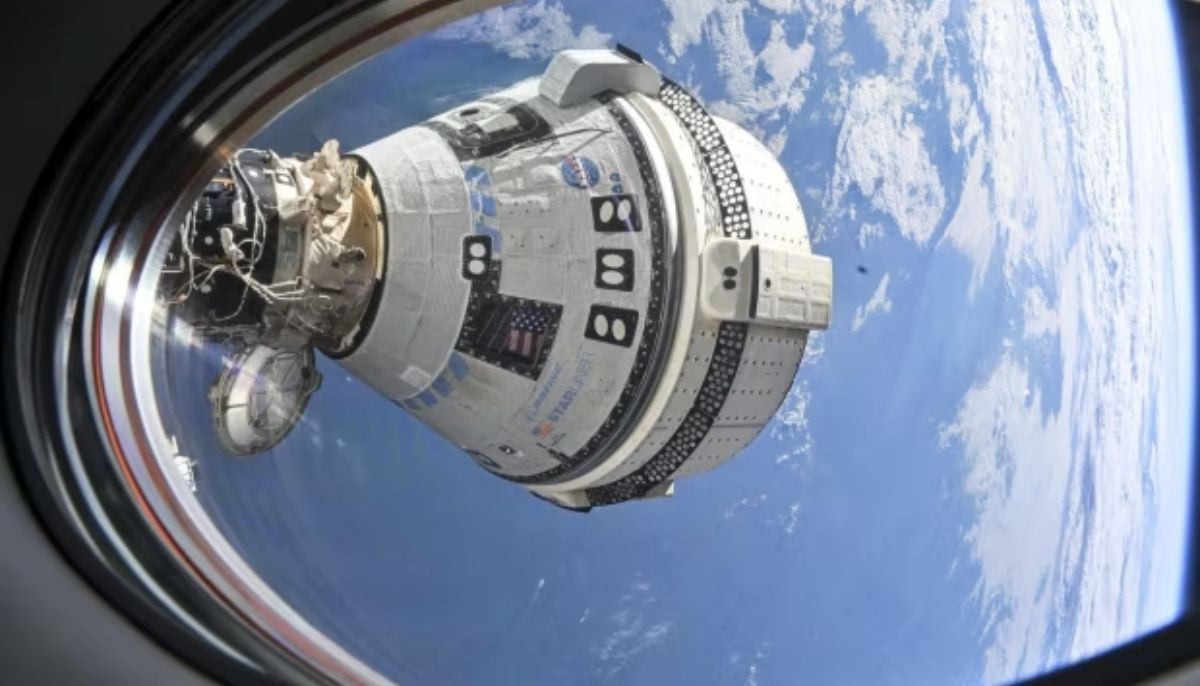 Astronauts face life threatening risk on Boeing Starliner, NASA says
 -
 Giant tortoise reintroduced to island after almost 200 years
 -
 Blood Falls in Antarctica? What causes the mysterious red waterfall hidden in ice