
NASA's Artemis 2 mission around Moon set for November 2024
The mission aims to return humans to the Moon for the first time since the Apollo missions ended in 1972
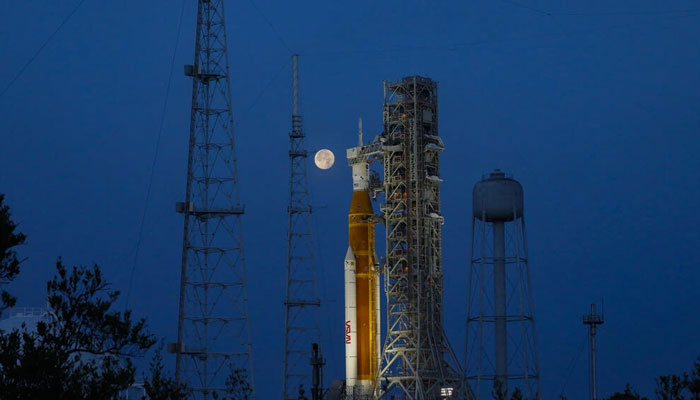
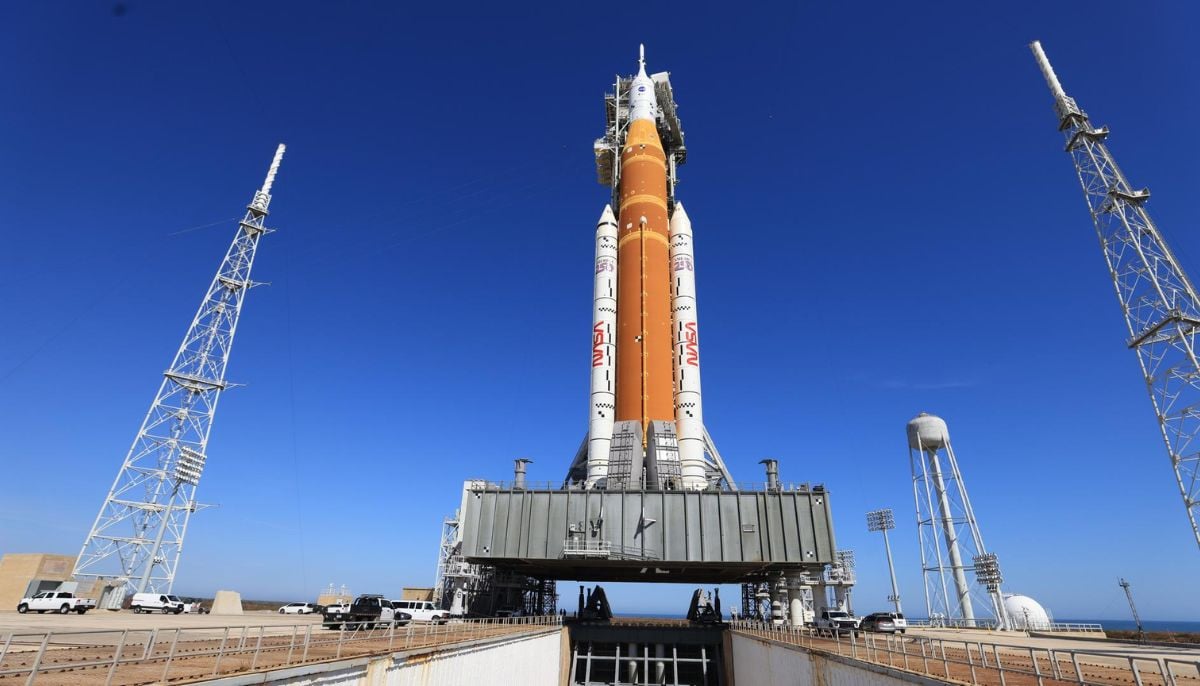
WASHINGTON: NASA is on track to launch a crewed mission around the Moon in November of next year after a successful unmanned test flight, the US space agency said Tuesday.
NASA officials provided an update on the Artemis program, which aims to return humans to the Moon for the first time since the historic Apollo missions ended in 1972.
The first Artemis mission wrapped up in December with an uncrewed Orion capsule returning safely to Earth after a more than 25-day journey around the Moon.
Artemis 2, scheduled to take place in late November 2024, will take a four-person crew around the Moon but without landing on it.
"We’re looking forward to that crew flying on Artemis 2," NASA associate administrator Jim Free told reporters. "Right now there’s nothing holding us up based on what we learned on Artemis 1."
NASA is to reveal the members of the Artemis 2 crew later this year. All that is known so far is that one of them will be a Canadian.
Artemis 3, scheduled for about 12 months after Artemis 2, will see astronauts land for the first time on the south pole of the Moon.
"Our plan has always been 12 months, but there are significant developments that have to occur," Free cautioned.
"We’re still sticking with that 12 months, but we’re always looking at the development of all the hardware that has to come together for that."
Among the items still in development are a lunar lander being built by SpaceX and spacesuits, Free said.
NASA hopes to establish a lasting human presence on the Moon and later launch a years-long trip to Mars.
As part of the Artemis mission, NASA is planning to send a woman and a person of colour to the Moon for the first time.
Only 12 people - all of them white men - have set foot on the Moon.
During the trip around Earth’s orbiting satellite and back, Orion logged well over a million miles and went farther from Earth than any previous habitable spacecraft.




-
 Total Lunar eclipse: What you need to know and where to watch
 -
 Sun appears spotless for first time in four years, scientists report
 -
 SpaceX launches another batch of satellites from Cape Canaveral during late-night mission on Saturday
 -
 NASA targets March 6 for launch of crewed mission around moon following successful rocket fueling test
 -
 Greenland ice sheet acts like ‘churning molten rock,’ scientists find
 -
 Space-based solar power could push the world beyond net zero: Here’s how
 -
 Hidden ‘dark galaxy' traced by ancient star clusters could rewrite the cosmic galaxy count
 -
 Astronauts face life threatening risk on Boeing Starliner, NASA says