
SpaceX Dragon crew enter International Space Station
The crew will spend six months on the station, where they will conduct more than 200 science experiments and technology demonstrations, according to SpaceX
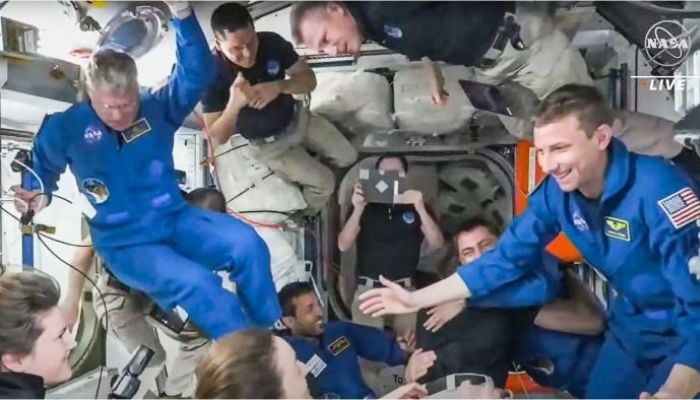
WASHINGTON: Four astronauts entered the International Space Station on Friday after their SpaceX Dragon Crew-6 mission successfully docked, a NASA livestream showed.
The SpaceX Dragon Endeavour spacecraft arrived at the orbiting station at 0640 GMT on Friday, the US space agency said in a statement.
NASA's Stephen Bowen and Warren Hoburg, Russia's Andrey Fedyaev and Sultan al-Neyadi of the United Arab Emirates entered the station about two hours later, the livestream showed.
A SpaceX Falcon 9 rocket carrying the spacecraft had blasted off to the station on Thursday after the launch was scrubbed just minutes before liftoff earlier in the week.
The crew will spend six months on the station, where they will conduct more than 200 science experiments and technology demonstrations, according to SpaceX.
The mission was the first space flight for Neyadi, Hoburg and Fedyaev.
Neyadi, 41, is the fourth astronaut from an Arab country and the second from the oil-rich UAE to journey to space.
Fedyaev is the second Russian cosmonaut to fly to the ISS aboard a SpaceX rocket. NASA astronauts fly regularly to the station on Russian Soyuz craft.
Space has remained a rare venue of cooperation between Moscow and Washington since the Russian offensive in Ukraine placed them in sharp opposition.



-
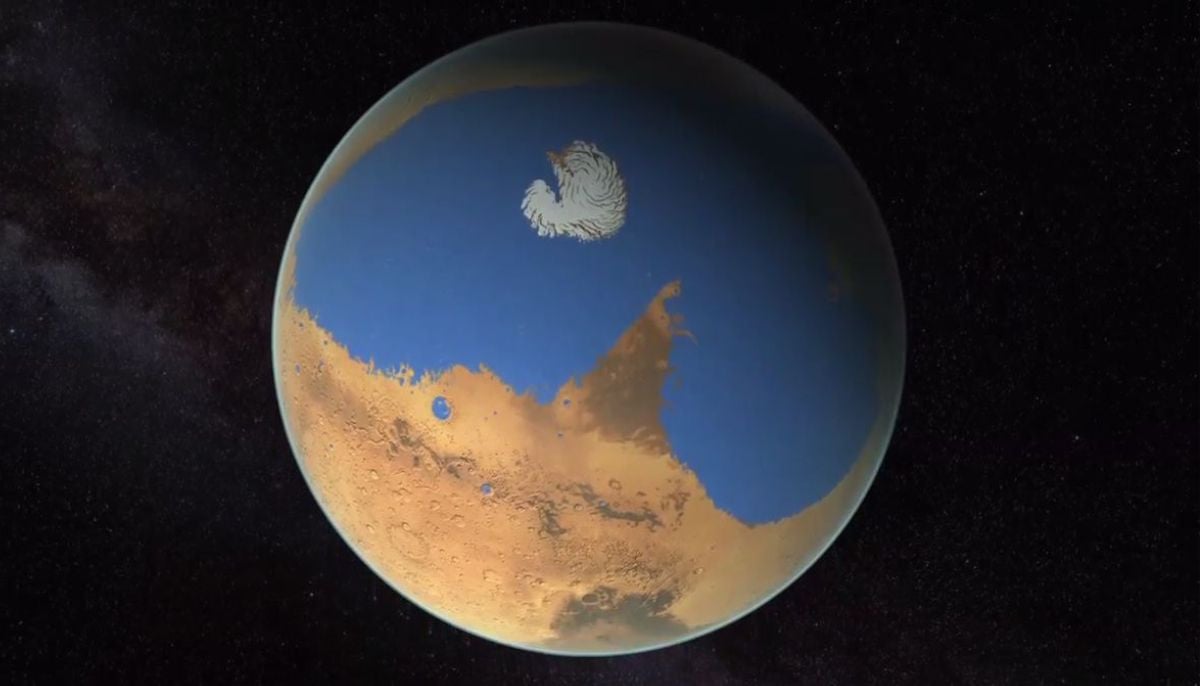 ‘Mars’ missing water mystery takes a surprising turn as new study finds regional dust storms trigger massive water loss into space
 -
 Scientists reveal how sleeping can unlock your creative potential
 -
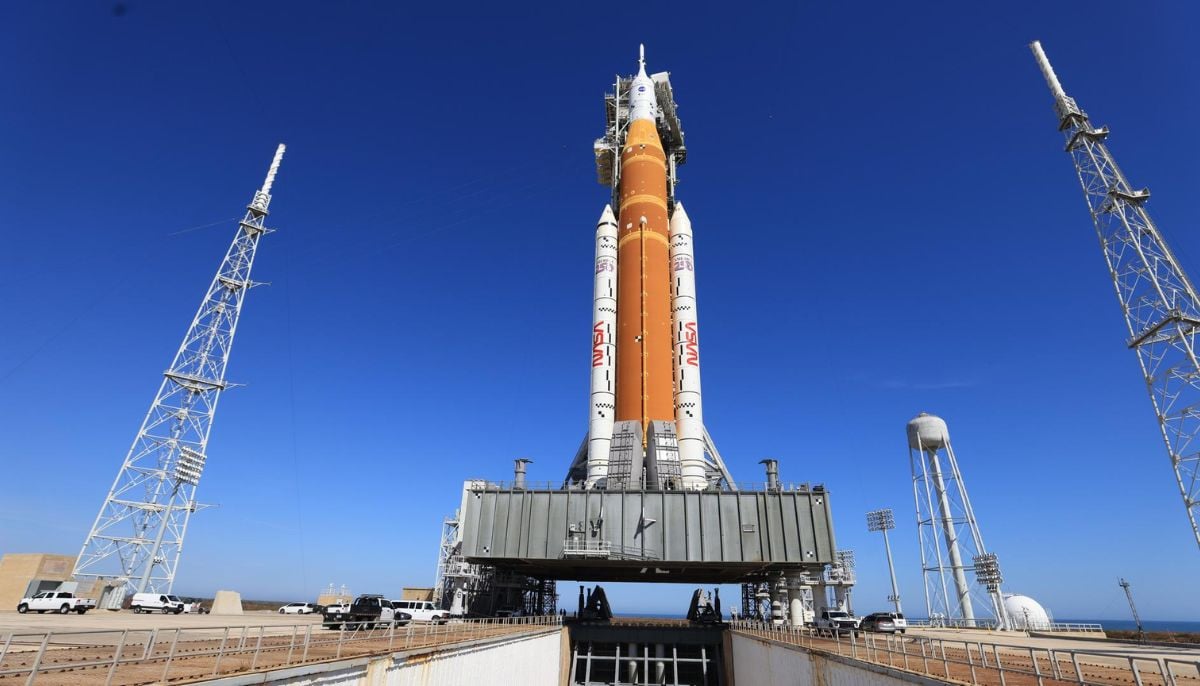 NASA Artemis 2 moon mission faces unexpected delay ahead of March launch
 -
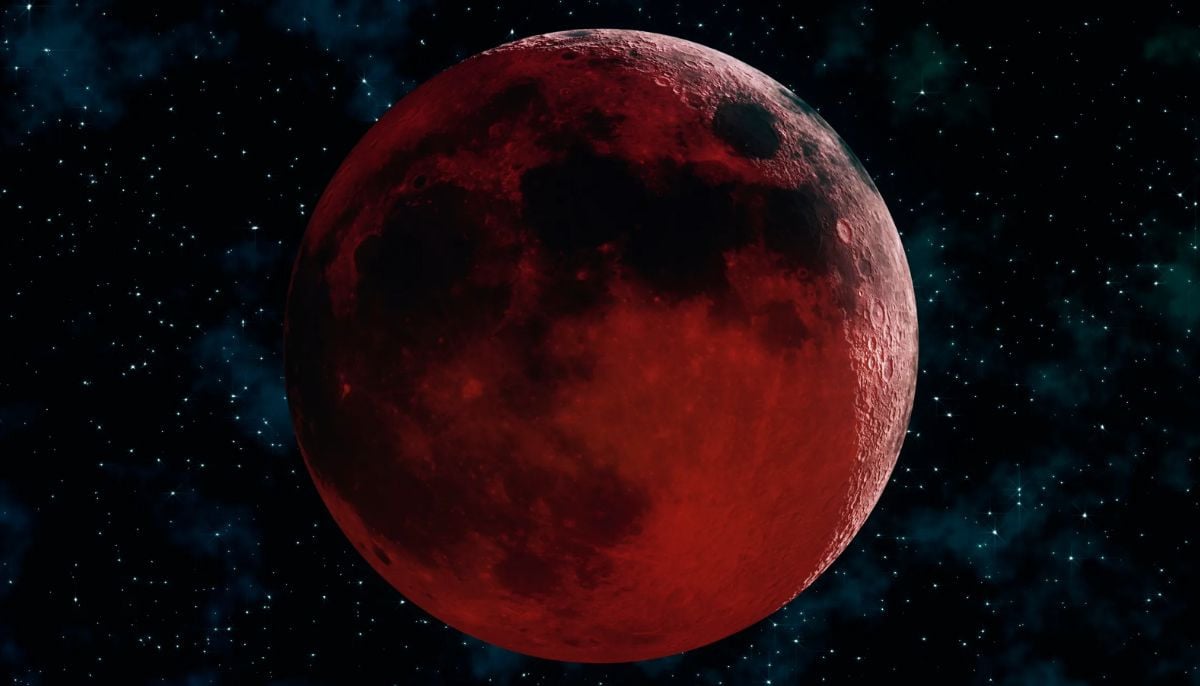 Total Lunar eclipse: What you need to know and where to watch
 -
 Sun appears spotless for first time in four years, scientists report
 -
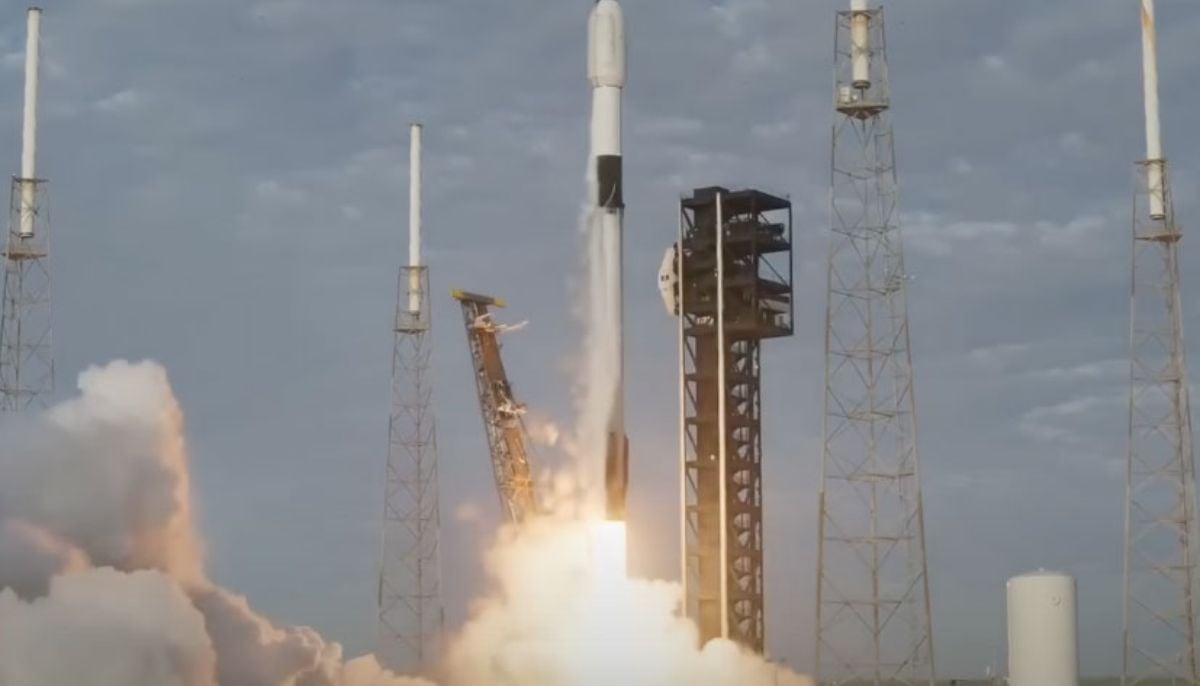 SpaceX launches another batch of satellites from Cape Canaveral during late-night mission on Saturday
 -
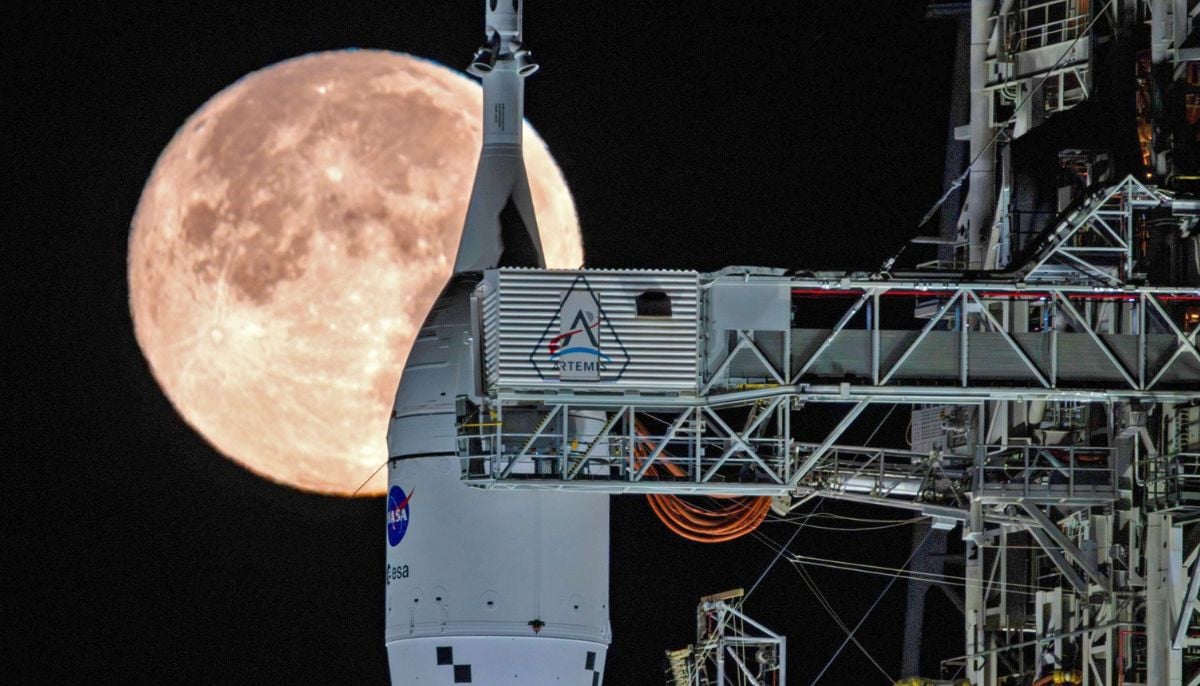 NASA targets March 6 for launch of crewed mission around moon following successful rocket fueling test
 -
 Greenland ice sheet acts like ‘churning molten rock,’ scientists find