
Resident Evil brought to life: VR headset releases scents while you play video games
A study was conducted on 22 volunteers who played the game with scents including rotten food and a rotten head

While watching shows like MasterChef, many of us might have wished for a technology that would help us smell through our screens. A new device developed by researchers in Sweden is actually allowing video gamers to "smell" what's around them in virtual reality.
The Nosewise Handheld Olfactometer (NHO) released aromas up the gamer's nose while they play the game in VR mode. The NHO can be easily fitted to the joystick of the HTC Vive.
The device contains liquid scents that direct the aroma toward the nostrils according to the stage of the game the player is at.
To test the system, a study was conducted on 22 volunteers who played the popular horror game Resident Evil Biohazard both with and without the scents.
Results published in PLoS One showed that the participants had a much better experience and felt more present in the environment when surrounded by scents.
The aromas these gamers were given included rotten food, gunpowder, and even a rotten head.
Smell-O-Vision, which was a system developed originally in 1960 to launch scents while people watch movies, turns what people could have only imagined into reality. It links "physical smells to a synthetic VR environment".
Hans Laube created Smell-O-Vision for the movie "Scent of Mystery" to be used in cinemas. The system detected the sounds in the movie to release 30 different smells at different points in the film.
The scents included gasoline, gunpowder, wood shavings as well as food items like coffee and wine.
Stockholm University psychologists built NHO and reported the details in the International Journal of Human - Computer Studies.




-
 NASA Artemis 2 moon mission faces unexpected delay ahead of March launch
 -
 Total Lunar eclipse: What you need to know and where to watch
 -
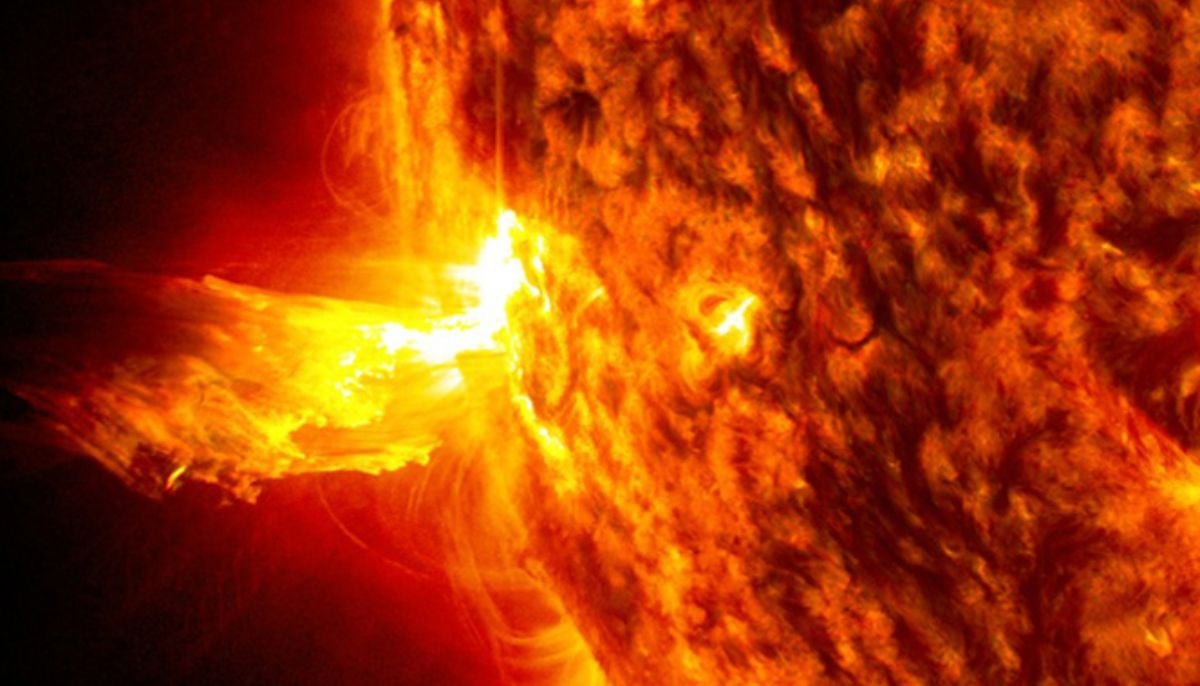 Sun appears spotless for first time in four years, scientists report
 -
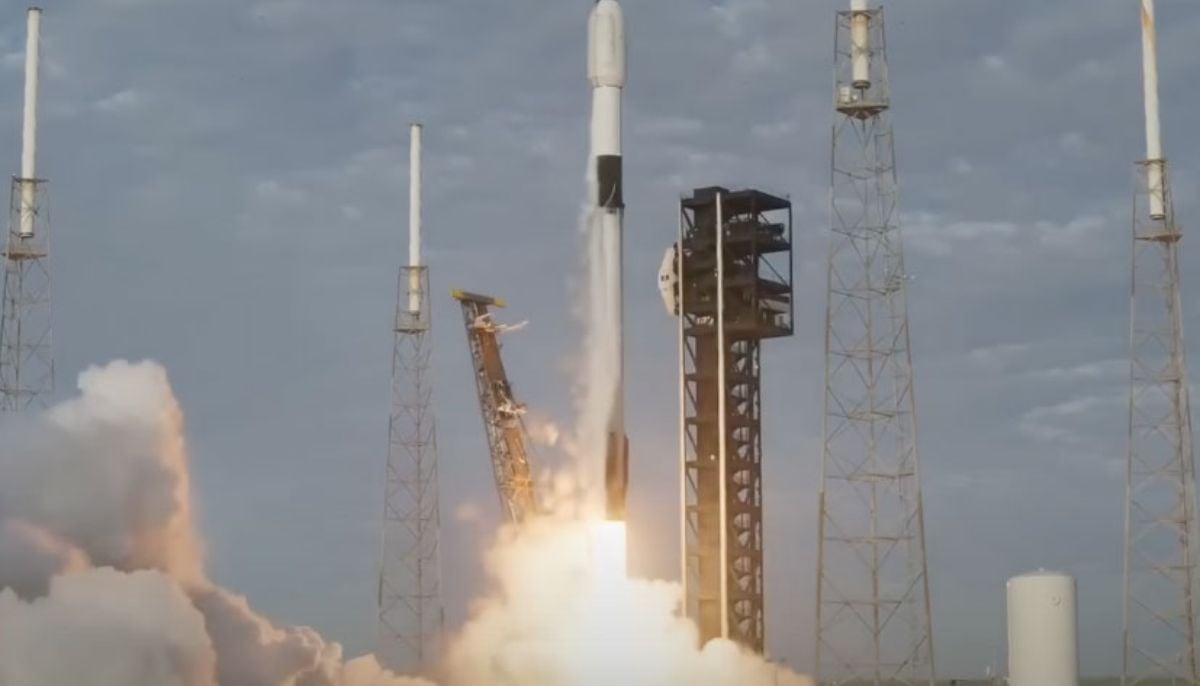 SpaceX launches another batch of satellites from Cape Canaveral during late-night mission on Saturday
 -
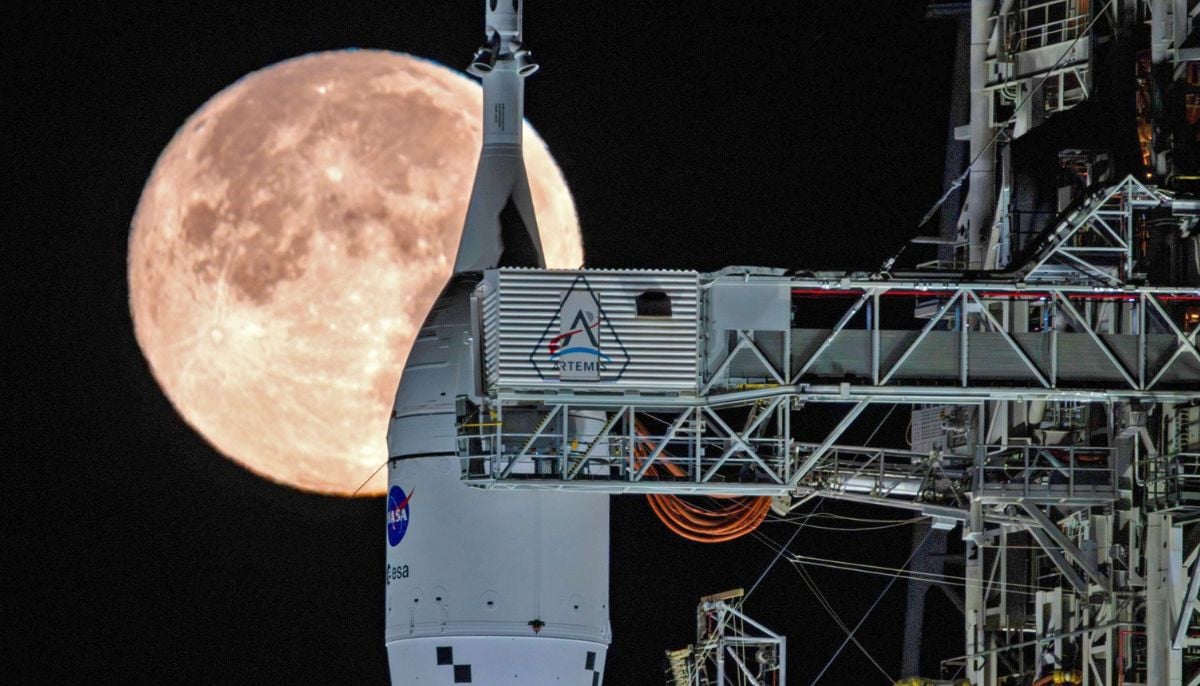 NASA targets March 6 for launch of crewed mission around moon following successful rocket fueling test
 -
 Greenland ice sheet acts like ‘churning molten rock,’ scientists find
 -
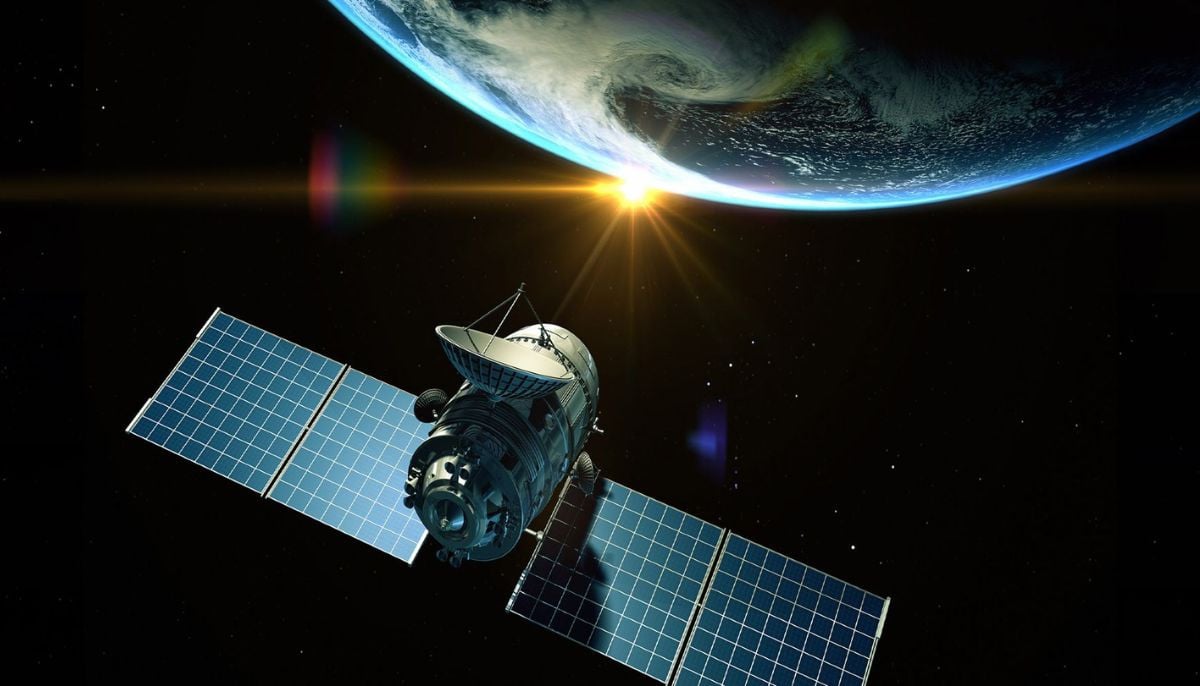 Space-based solar power could push the world beyond net zero: Here’s how
 -
 Hidden ‘dark galaxy' traced by ancient star clusters could rewrite the cosmic galaxy count