
Private education
The crisis in Punjab’s education system on the issue of regulating private schools has become serious after around 97,000, or half of the province’s private schools, observed the first day of a two-day strike on Tuesday. At the start of the academic session in September 2015, parents of Punjab’s private school students were greeted with an unusual tuition hike. Some of the parents decided to protest the high school fees and low-quality education. The situation left the Punjab government facing a dilemma. Having let private schools do whatever they wanted for the last two decades, the provincial government was suddenly faced with a demand to regulate fee hikes. Without an adequate legal framework to respond to the protests, the government took ad-hoc action against the fee hikes by nullifying them and promising strong penalties against any school that refused to comply. With parental pressure forming the backbone of government action, this strategy worked. And, for once, the government also decided it would speed up the process of making the required legislative changes to avoid the issue coming up in the future.
Earlier in February, the Punjab Education Institutions Bill (2015) was passed which proposed to limit fee hikes to below five percent every year and increased the penalties for any schools failing to comply. It also mandated that all private schools within the province must get themselves registered within a 45-day period if they wanted to remain open. Two of the three private schools associations in the province have called the said law ‘draconian’, alleging that the intention of the bill was to ‘strangulate’ private schools. While private school associations may be correct in blaming the government for the poor standard of public education, most of their demands seem to have little merit. The reality is that a regulatory mechanism for schools has been long overdue. It is also true that even private school education is so poor that students rely on expensive tuitions outside of schools to keep up with their coursework. The true crisis of Punjab’s educational institutions is witnessed by the popularity of these tuition centres. While regulating education is important, much more needs to be done by the state in the sphere of public education. That requires much more than controlling school fees.







-
 Andrew Crisis Forces King Charles To Rethink Royal Playbook
 -
 Total Lunar Eclipse To Turn Moon Red On March 2-3
 -
 Oscar Nominated Michael B Jordan Reveals One 'Sinners' Scene Entire Cast Saw Filmed
 -
 Billie Eilish Video Prompts Piers Morgan To Issue Clarification
 -
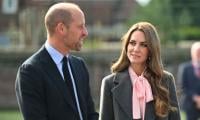 Prince William, Kate Travel To Wales To Support King Charles Amid Andrew Investigation
 -
 Ethan Hawke Gets Honest About Prep For Playing Famous Lyricist In 'Blue Moon': 'It Broke My Brain'
 -
 Vijay Deverakonda And Rashmika Mandanna Dual Wedding Ceremony Photos Break The Internet: 'I Made My Best Friend My Wife'
 -
 Mary Cosby's Son Robert Jr. Dies Days After Being Released From Jail
 -
 Jennifer Garner Reveals Why She Doesn't Like Botox And What She Gets Instead
 -
 Instagram To Alert Parents When Teens Search Suicide Or Self-harm Terms
 -
 Meghan Markle Feels Kicked In The Teeth With Netflix’s Decision To Close A Door: ‘She Needs Her Family’
 -
 World Economic Forum CEO Borge Brende Steps Down Following Jeffrey Epstein Ties Controversy
 -
 Dominic Evans Speaks Out After Being Accused Of Being Involved In Nancy Guthrie Kidnapping
 -
 Prince Harry's Ex Chelsy Davy Makes Special Announcement
 -
 AI Doomsday By 2028? New Study Warns Of Global Social, Economic Disruption & ‘ Intelligence Crisis’
 -
 Do Sophie And Benedict Bridgerton Get Married As Netflix Show Returns For Season 4 Part 2?