
China, in order to strengthen national unity in the country, has banned the use of ‘anti-Islamic’ words on the social media.
Termed as a national policy that is majorly in favour of the Muslim minorities, this rule was laid down after the clash that involved Muslims fighting at a toll booth went viral.
In its efforts to curb online hate speech, China’s Weibo microblog blocked the posting of phrases that proved to be disrespectful to the Muslims. Insults, mockery along with other defamatory terms have been banned by the search engine too.
Over the years, complainers have objected to the discrimination Muslims are subjected to, as a result of some Chinese authorities’ policies. The banning of Islamophobic terms by Chinese authorities was then put forth.
"It's necessary to timely remove radical phrases that discriminate against Islam and are biased against Muslims to prevent worsening online hatred towards the group. Those phrases severely undermine religious harmony and ethnic unity," said Xiong Kunxin, a professor at Beijing's Minzu University of China in Beijing.
He further assured that such policies do not curtail the freedom of speech of people. Rather, they promote ethnic diversity and harmony in the longer run.
Although officially atheist, China has ensured the satisfaction of 20 million Muslims that currently reside in China. It was only recently that it facilitated 12,800 Muslims in making their pilgrimage to Makkah, and barricaded streets for Muslims to help them celebrate Eid-ul-Fitr.




-
 Four people killed in stabbing rampage at Washington home
 -
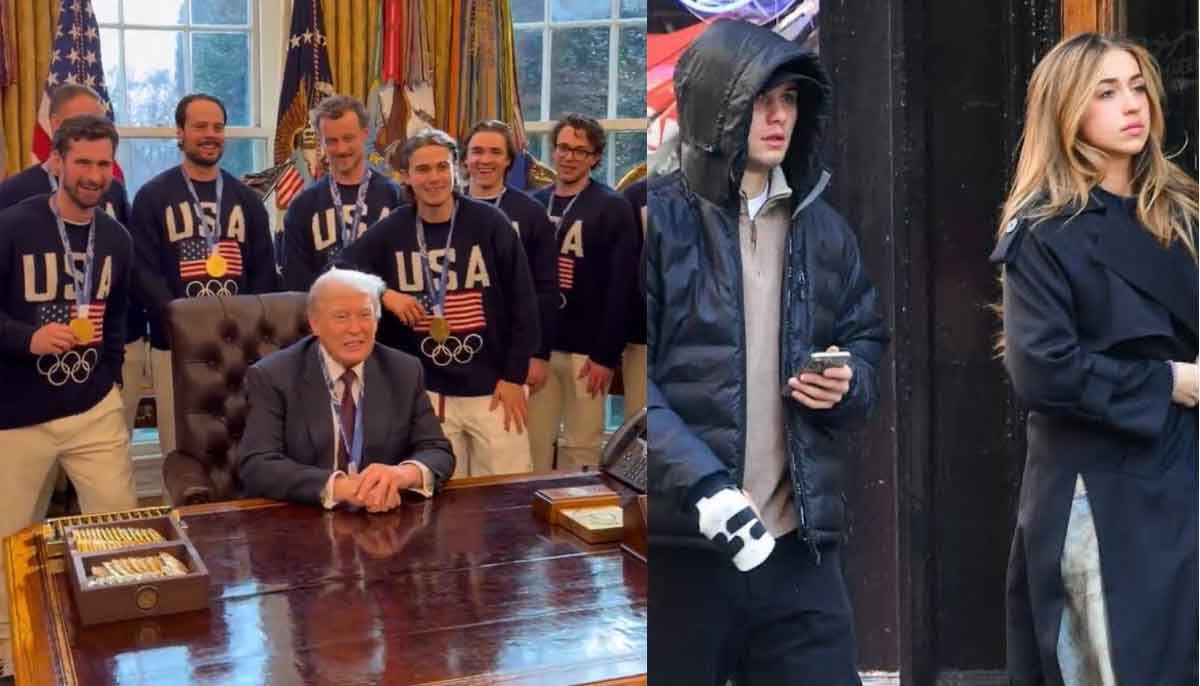 Jack Hughes's proximity to Trump angers Tate McRae fans
 -
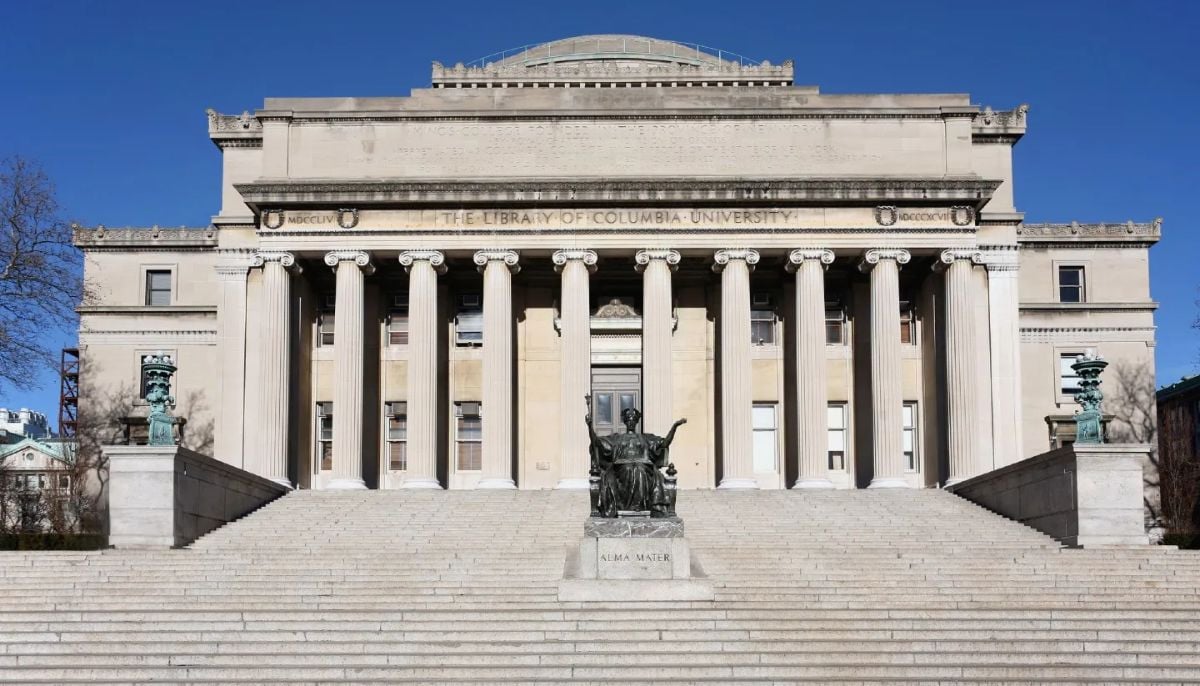 Nobel-winning scientist resigns from Columbia university after Epstein links revealed
 -
 At least 30 dead after heavy rains hit southeastern Brazil, 39 missing
 -
 Japan plans missile deployment near Taiwan by 2031 amid growing regional tensions
 -
 Trump delivers longest State of Union address in history: Inside key details on economy, security and global strategy
 -
 Trump’s 2026 State of Union address: Inside key takeaways, major policy shifts & top announcements
 -
 Rep. Al Green removed from House chamber during Trump’s State of Union address: Here’s what happened